Blog

  • Best Loyalty Application for Small Business Success

    Best Loyalty Application for Small Business Success

    Building lasting customer relationships feels impossible when you’re competing against big brands with massive budgets. You need a way to turn one-time buyers into repeat customers who choose you over the competition.

    The good news? Rewards programs have evolved from simple punch cards into powerful, tech-driven solutions. What once required enterprise-level resources is now accessible to businesses of any size. Modern platforms deliver personalized rewards tailored to individual preferences, giving you the same tools that airlines and major retailers use.

    You don’t need a fortune to create programs that drive small business growth. The right platform transforms occasional shoppers into brand advocates while delivering measurable returns. Throughout this guide, you’ll discover practical strategies for selecting and implementing effective retention solutions.

    We’ll show you why bonusqr.com stands out as the leading choice for businesses ready to boost customer retention and build lasting connections that fuel repeat business.

    Key Takeaways

    • Modern rewards programs are now affordable and accessible for businesses of all sizes
    • Personalized retention strategies turn occasional buyers into devoted brand advocates
    • Tech-driven solutions provide measurable returns without enterprise-level budgets
    • The right platform transforms customer relationships and drives consistent revenue
    • BonusQR.com offers comprehensive tools designed specifically for growing businesses

    Why Small Businesses Need Loyalty Applications Today

    Every day you wait to implement a loyalty strategy, you’re watching potential revenue walk out your door and into your competitors’ hands. The business landscape has fundamentally changed, and small businesses now face challenges that make customer retention software essential rather than optional.

    Your survival depends on understanding these market realities. The numbers tell a clear story about why you need to act now.

    The Financial Reality of Acquiring New Customers

    Here’s the stark truth that changes everything: acquiring a new customer costs between 5 to 25 times more than keeping an existing one. That’s not a typo or exaggeration—it’s the financial reality backed by extensive research across industries.

    Your marketing budget gets consumed by customer acquisition cost faster than you realize. Every dollar you spend on advertising, promotions, and outreach to attract new faces could work harder bringing back the customers you already have.

    Repeat customers spend more per transaction and require virtually no acquisition expense. They already know your business, trust your service, and need only a gentle reminder to return.

    Loyalty is a key driver for any enterprise that depends on repeat business, from restaurants and retail stores to salons and various other businesses.

    Allen Kopelman, CEO of Nationwide Payment Systems

    The mathematics become even more compelling when you calculate lifetime value. A customer who visits your business ten times over two years generates substantially more profit than ten one-time customers—with a fraction of the marketing expense.

    Technology Levels the Playing Field

    Digital transformation has revolutionized what’s possible for businesses like yours. Tools that once required enterprise-level budgets and IT departments now fit comfortably within small business operations.

    You can now access sophisticated customer retention software that tracks purchasing behavior, automates personalized communications, and delivers insights previously available only to major corporations. This democratization of technology creates a genuine competitive advantage for forward-thinking small business owners.

    Paper punch cards and manual tracking systems belonged to a different era. Today’s digital loyalty programs give you:

    • Automated tracking that eliminates human error and lost cards
    • Real-time analytics showing exactly which promotions drive results
    • Instant communication with your customer base through push notifications
    • Personalized offers based on individual purchase history and preferences
    • Seamless integration with your existing point-of-sale systems

    The technical barriers that once protected large competitors have disappeared. Your local coffee shop can now implement the same frequency programs and points systems that Starbucks uses—customized specifically for your unique customer base and brand identity.

    Customers Expect Digital Experiences

    Your customers have changed their expectations faster than most business owners realize. They carry smartphones everywhere and expect every business interaction to reflect that reality.

    Modern consumers want to track their rewards on their phones, not fumble with paper cards that get lost or forgotten. They expect personalized offers that recognize their preferences and purchasing patterns. They want smb customer engagement that feels seamless and convenient.

    Meeting these expectations isn’t about keeping up with trends—it’s about basic customer service in 2024. When your competitor down the street offers a smooth digital experience while you’re still using paper systems, you’re actively driving customers away.

    Today’s shoppers judge businesses partly on convenience factors. How easy do you make it for them to earn rewards? Can they check their points balance without asking staff? Do they receive timely reminders about rewards they’ve earned?

    These questions determine whether customers become repeat customers or drift toward competitors who’ve embraced digital solutions. The good news? Implementing effective smb customer engagement tools gives you an immediate competitive advantage over businesses still operating with outdated systems.

    You’re not just competing on product quality and price anymore. The customer experience—including how you manage loyalty and rewards—shapes your reputation and determines your market position. Customers remember businesses that make their lives easier, and they return to those businesses consistently.
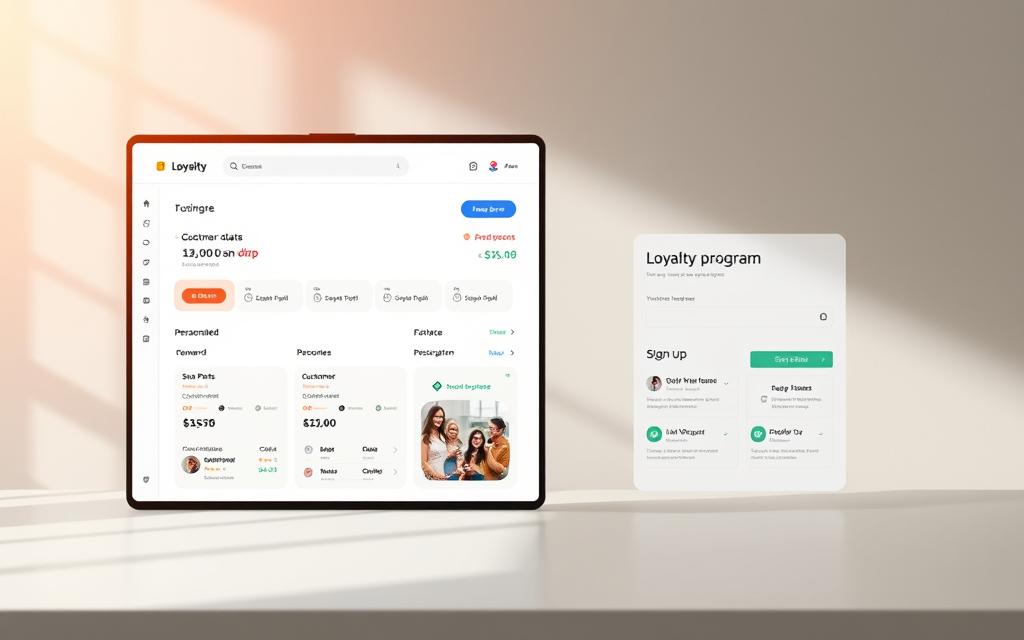
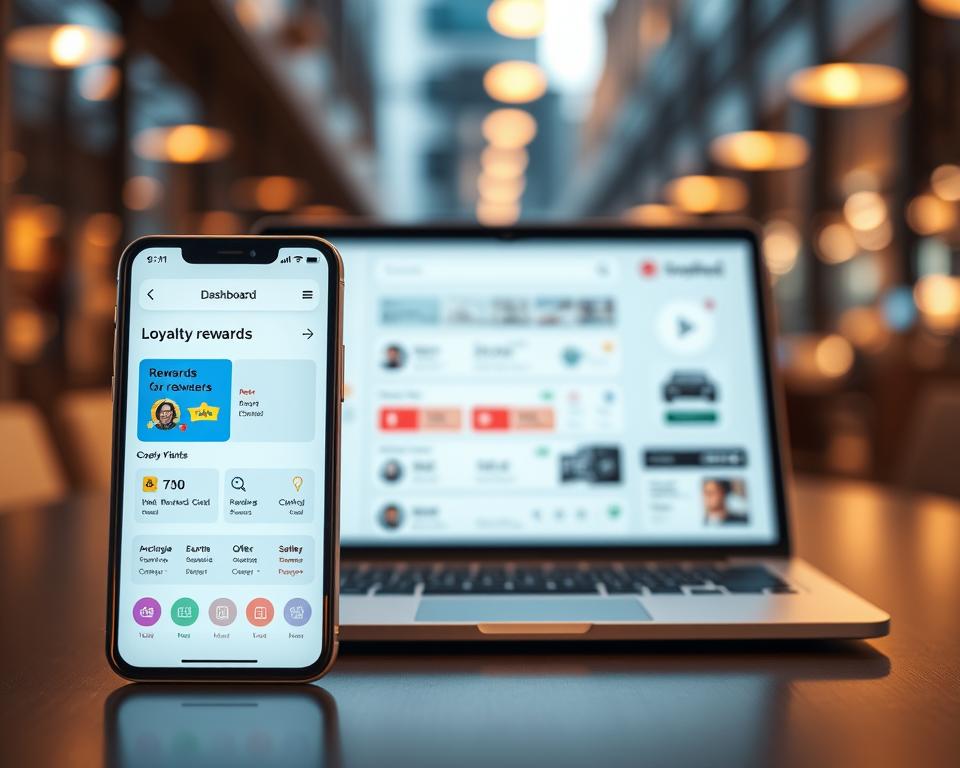
    loyalty application for small business digital interface

    How Digital Loyalty Programs Work

    The customer journey through a digital loyalty program is remarkably simple, even though the loyalty program technology behind it is sophisticated. Understanding this process helps you see why digital loyalty cards outperform traditional methods.

    When customers first join your program, they typically scan a QR code at your business or download your branded app. This creates their digital profile in seconds. No forms to fill out, no physical cards to carry.

    Each time they make a qualifying purchase, you scan their unique QR code or they tap their phone. The system automatically records their activity and updates their rewards status in real-time. They can check their progress anytime from their smartphone.

    Behind the scenes, cloud-based systems synchronize data instantly across all locations if you have multiple stores. Your staff sees updated customer information immediately, creating a seamless experience that builds trust.

    When customers earn a reward, they receive an automatic notification. They can redeem rewards by showing their digital loyalty card at checkout. The entire process happens without paper, without manual tracking, and without the hassle of lost punch cards.

    Core Technology Components

    Understanding the building blocks of loyalty program technology helps you evaluate different platforms and make informed decisions. You don’t need technical expertise to grasp these concepts.

    Customer databases form the foundation of any rewards platform. These secure digital storage systems hold customer profiles, purchase histories, and preference information. Modern customer data management systems encrypt this information to protect privacy while making it accessible for your marketing efforts.

    The database tracks everything from how often customers visit to what products they prefer. This information becomes incredibly valuable when you want to create targeted promotions or understand buying patterns.

    Rules engines determine when rewards are earned and redeemed. You configure these rules once during setup. The system then applies them automatically to every transaction. Want to give a free coffee after ten purchases? The rules engine handles the counting and reward triggering without your intervention.

    These engines can handle complex scenarios too. Bonus points for visits during slow hours, extra rewards for referring friends, or tiered benefits based on spending levels all run through this automated system.

    Communication systems keep your customers engaged without requiring daily effort from you. Automated emails and push notifications remind customers about their rewards status, announce special promotions, and bring people back when they haven’t visited recently.

    You can personalize these messages based on customer behavior. Someone who always orders lattes might get different offers than someone who prefers smoothies.

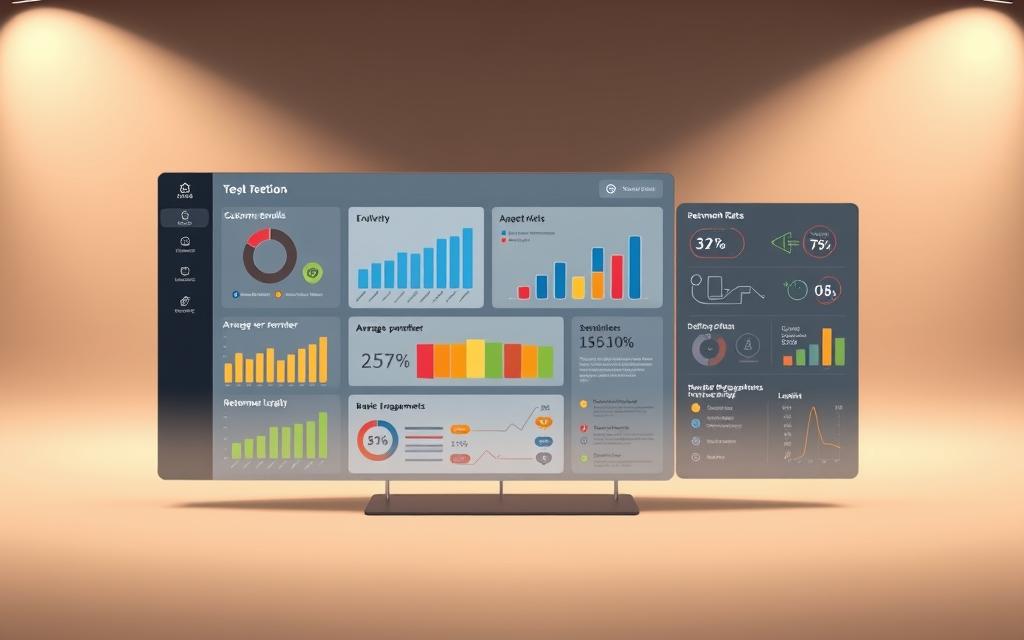
    Analytics dashboards translate raw data into actionable insights. You’ll see metrics like enrollment rates, redemption frequency, and customer lifetime value presented in easy-to-understand charts and graphs. These dashboards help you measure program success and identify opportunities for improvement.

    The technology might sound complex, but the best loyalty application for small business solutions hide this complexity behind intuitive interfaces. You interact with simple buttons and clear menus while sophisticated systems work in the background.

    Digital loyalty cards powered by this technology give you capabilities that were once available only to major corporations. Now you can compete with larger businesses by offering the same level of personalized service and rewards that keep customers coming back.

    Proven Small Business Rewards Program Structures

    Your small business rewards program needs a foundation that matches both your business model and customer expectations. The right loyalty program structure transforms casual shoppers into repeat customers while protecting your profit margins. Different reward frameworks appeal to different customer motivations and business types.

    BonusQR supports multiple reward structures, giving you flexibility to design programs that fit your unique operations. Whether you run a coffee shop, retail boutique, or service business, you can configure the platform to match your goals. Let’s explore the proven structures that drive real results for businesses like yours.

    Points-Based Loyalty Systems

    A points system works best when your customers make purchases of varying sizes. Retail stores, restaurants with diverse menus, and service businesses benefit most from this flexible approach. Customers earn points with every transaction, creating value regardless of what they buy.

    The typical formula awards one point per dollar spent. This straightforward calculation makes it easy for customers to understand their progress. You set reward thresholds that feel achievable while protecting your margins—perhaps 100 points equals $10 off or a free item.

    Major retailers like Boots use points-for-pounds systems that create clear value propositions. Customers immediately grasp what they’re earning and when they’ll receive rewards. This transparency builds trust and encourages continued participation in your program.

    BonusQR lets you customize point values and redemption options to match your pricing structure. You control the earning rates, bonus point opportunities, and reward catalog. The platform automatically tracks balances and notifies customers when they’ve earned rewards.

    Stamp or Visit-Based Programs

    Visit-based rewards excel for businesses where most transactions have similar values. Coffee shops, quick-service restaurants, car washes, and similar operations benefit from the simplicity of stamp programs. The classic “Buy 10, Get 1 Free” model creates an instantly understandable goal.

    Customers appreciate the concrete nature of stamp collection. They can visualize their progress toward the free reward with each visit. This small retailer rewards system structure generates consistent return frequency because the goal feels tangible and achievable.
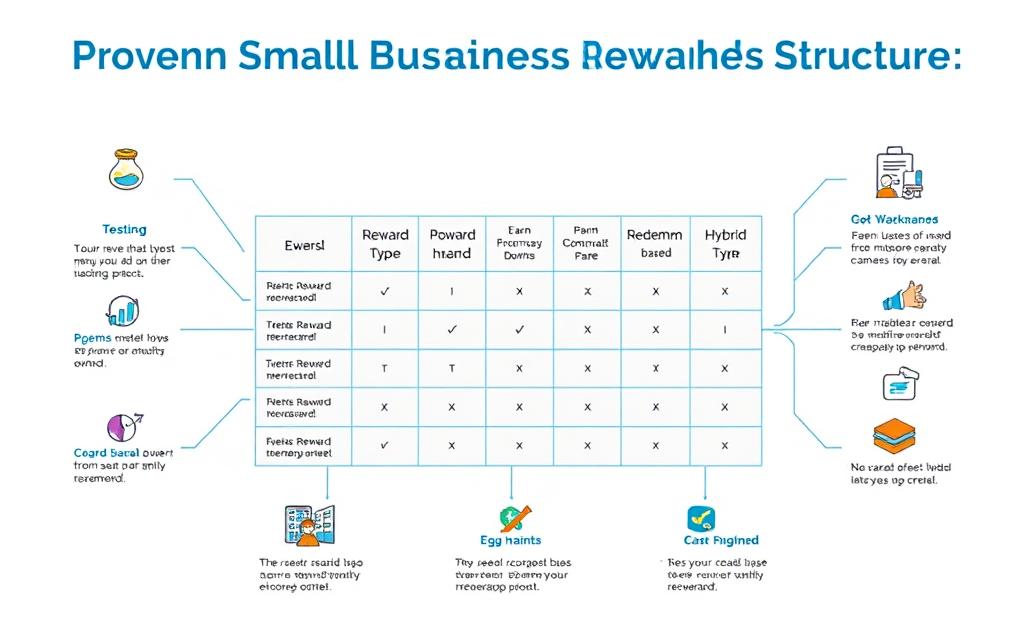
    small business rewards program structure comparison

    Digital stamps eliminate the frustrations of paper punch cards. Customers never forget their cards at home or lose them before completing the cycle. The automatic tracking ensures every qualifying purchase counts toward their next reward.

    With BonusQR, you define what constitutes a stamp—whether it’s any purchase, a minimum transaction amount, or specific products. The flexibility lets you tailor the program while maintaining the simplicity customers love about visit-based rewards.

    Tiered Membership Levels

    Tiered rewards create exclusivity and motivate customers to increase their engagement. Bronze, Silver, Gold, or custom-named levels unlock progressively better benefits as customers advance. This structure appeals to competitive personalities who enjoy “leveling up” their status.

    Diamond Art Club demonstrates effective tier design with Emerald, Sapphire, Ruby, and Diamond levels. Each tier offers enhanced benefits: bonus points multipliers, free shipping, early sale access, exclusive products, or VIP customer service. The progression encourages customers to reach higher tiers through increased purchases.

    Setting appropriate tier thresholds determines program success. Make entry-level tiers easily attainable to build initial engagement. Mid-tier levels should require moderate commitment, while top tiers create aspirational goals that recognize your best customers.

    BonusQR supports unlimited tier creation with customizable qualification criteria. You can base advancement on total spending, number of visits, point accumulation, or time periods. Each tier can have unique reward multipliers, special offers, and exclusive communications.

    Spend-Based Cashback Models

    Cashback structures appeal to customers who prefer monetary returns over products or points. This loyalty program structure works particularly well for higher-ticket retailers where customers value tangible financial benefits. Common models include 5% back on purchases or $1 for every $20 spent.

    The simplicity of cashback resonates with practical shoppers. They immediately understand the value proposition without calculating point conversions or waiting for specific rewards. The accumulated cash feels like real money, creating strong psychological motivation to return.

    Diamond Art Club offers 10% cash back as part of their tiered program, combining monetary rewards with status recognition. This hybrid approach satisfies customers who want both financial returns and exclusive benefits. The flexibility strengthens overall program appeal.

    BonusQR enables percentage-based or fixed-amount cashback configurations. You determine earning rates, redemption minimums, and whether cashback applies to future purchases or comes as refunds. The automated calculations ensure accuracy while reducing administrative burden.

    Hybrid Reward Approaches

    Combining multiple reward elements creates engaging programs that appeal to diverse customer motivations. Hybrid approaches might include earning points per visit plus bonus points for spending thresholds. Or stamp collection with referral bonuses that accelerate progress.

    This comprehensive strategy addresses different customer preferences within a single program. Some customers respond to gamification elements, others to financial incentives, and many to social recognition. Hybrid models capture broader engagement across your customer base.

    You might implement base visit-based rewards with seasonal point bonuses, birthday rewards, and referral incentives. The layered approach keeps the program fresh and provides multiple touchpoints for customer interaction. Each element reinforces participation through different psychological triggers.

    BonusQR’s flexible architecture supports complex hybrid structures without overwhelming you or your customers. The platform manages multiple reward types simultaneously while presenting a clean, understandable interface. You can test different combinations to discover what drives the strongest response from your audience.

    Reward Structure Best For Customer Appeal Complexity Level
    Points System Varied transaction sizes, retail stores, diverse menus Flexible redemption, clear value tracking Medium
    Visit-Based Stamps Similar transaction values, coffee shops, quick service Simple goals, visual progress Low
    Tiered Membership Building customer lifetime value, creating VIP experiences Status recognition, exclusive benefits High
    Cashback Models Higher-ticket purchases, practical shoppers Tangible monetary returns, immediate value Low
    Hybrid Approaches Diverse customer base, comprehensive engagement Multiple motivation triggers, sustained interest High

    The right small business rewards program structure aligns with your operations while delivering clear value to customers. Consider your typical transaction patterns, customer demographics, and business goals when selecting your framework. BonusQR gives you the tools to implement any structure and adapt as your business evolves.

    Customer Loyalty Management Best Practices

    Smart customer loyalty management turns a simple rewards program into a powerful engine for repeat business and customer engagement. Once you launch your program, the real work begins. You need to actively manage every element to keep customers excited and coming back.

    The difference between programs that succeed and those that fail comes down to execution. You can have the best software and the most generous rewards, but without proper management, your program won’t deliver results.

    Let’s explore the proven strategies that transform loyalty programs from passive tools into active growth drivers for your business.
    customer loyalty management strategies for small business

    Designing Achievable Reward Milestones

    Your reward structure determines whether customers stay motivated or give up before earning anything. The psychology is simple: rewards must feel valuable enough to pursue but close enough to reach.

    If customers need 50 visits to earn a free coffee, most will never get there. They’ll forget about your program and shop wherever is convenient. But if they need just 10 visits, suddenly that free reward feels achievable.

    Here’s what works for different program types:

    Program Type Recommended Milestone Expected Timeframe Customer Success Rate
    Visit-Based Programs 5-10 visits for reward 2-3 months for weekly customers 65-75% reach first reward
    Points Programs First reward at 3-5 purchases 1-2 months for regular customers 60-70% reach first reward
    Spend-Based Programs $100-$200 threshold 3-4 months typical spending 55-65% reach first reward
    Tiered Programs Bronze tier within 1 month 30 days for entry level 70-80% reach first tier

    Use your analytics to monitor redemption rates constantly. If only 20% of members ever claim rewards, your thresholds are too high. Aim for at least 50% of active members reaching their first reward within three months.

    Test different reward levels and watch the data. You’ll discover the sweet spot where customers stay engaged without breaking your budget.

    Clear Communication Strategies

    How you communicate with loyalty members can make or break your program. Send too many messages and customers will block you. Send too few and they’ll forget you exist.

    The golden rule: provide value every time you reach out. Your customer communication should never feel like spam or noise in their inbox.

    Industry experts warn against aggressive tactics that damage relationships. Bombarding customers with daily texts and emails pushes them away. They’ll unsubscribe, mark you as spam, or simply tune out your messages completely.

    Programs work best when communications avoid being “aggressive and creepy”—oversharing through too many texts and emails causes customers to block you or report messages as spam.

    Here’s your communication framework:

    • Monthly updates: Share progress toward rewards and exclusive member offers
    • Milestone celebrations: Notify customers when they earn rewards or reach new tiers
    • Special occasions: Birthday rewards and anniversary messages (maximum twice per year)
    • Re-engagement campaigns: Reach out to inactive members with special incentives (quarterly)

    Every message should serve a clear purpose. Progress updates show customers they’re getting closer to rewards. Exclusive offers make membership feel special. Educational content helps them get more value from your business.

    Avoid generic blast messages that could apply to anyone. Personalize based on customer behavior, preferences, and history with your business.

    Staff Training and Buy-In

    Your team makes or breaks your loyalty program success. They’re the front line of smb customer engagement, interacting with customers every single day.

    When staff don’t understand or care about your program, customers notice immediately. Allen Kopelman shares a perfect example of what not to do:

    Staff should ask customers if they’re enrolled and recognize enrolled members. I recall dining at a restaurant where wait staff weren’t aware of the loyalty program, which reflected poorly on the business.

    That’s a disaster for customer loyalty management. Imagine joining a program, then having employees who don’t even know it exists. You’d feel frustrated and question whether the business cares at all.

    Proper staff training covers these essential areas:

    • Program mechanics: How customers earn and redeem rewards
    • Enrollment process: Quick, friendly methods to sign up new members
    • Member recognition: Acknowledging loyalty customers and thanking them
    • Troubleshooting basics: Handling common questions and technical issues
    • Promotion techniques: Natural ways to mention benefits during transactions

    Make loyalty program performance part of team goals. Track enrollment rates by employee. Celebrate when team members sign up large numbers of customers.

    When your staff becomes passionate program ambassadors, enrollment and engagement skyrocket. They’ll mention it naturally in conversations, helping customers understand the benefits without feeling pushy.

    Ongoing Program Optimization

    Launching your program is just the beginning of loyalty program optimization. The most successful businesses treat their programs as living systems that need constant attention and improvement.

    You can’t just set it and forget it. Markets change, customer preferences evolve, and competitors adjust their offerings. Your program must adapt to stay relevant and effective.

    Build these optimization activities into your monthly routine:

    • Review analytics weekly: Track enrollment, engagement, and redemption trends
    • Survey customers quarterly: Ask what they love and what frustrates them
    • Test reward variations: Experiment with different incentives and structures
    • Add seasonal promotions: Keep the program fresh with limited-time bonuses
    • Benchmark against goals: Measure actual results against your original objectives

    Your data tells you exactly what’s working and what isn’t. If certain rewards sit unclaimed, they’re not valuable to customers. If engagement drops after three months, you need better re-engagement strategies.

    Look for patterns in customer behavior. Maybe morning customers respond better to coffee discounts while evening customers prefer food specials. Use these insights to personalize offers and boost response rates.

    The best programs evolve continuously based on real customer feedback and behavior. You’ll discover opportunities to improve that you never imagined during the initial setup.

    Remember that customer loyalty amplifies existing positive relationships. Programs work best with customers who already love your business. Focus on delighting these fans first, then use their enthusiasm to attract similar customers.

    Customer loyalty management is an ongoing commitment, not a one-time project. The businesses that understand this truth are the ones that see remarkable results from their programs year after year.
  • Innovative Loyalty Schemes That Boost Customer Retention

    Innovative Loyalty Schemes That Boost Customer Retention

    You want repeat buyers and higher average order value. Simple, modern programs do that fast. Data shows the point: The Bond 2024 Loyalty Report found 85% of consumers say a program makes them more likely to keep shopping with a brand. Accenture adds that members can drive 12–18% annual revenue growth.

    This section cuts through noise and gives practical steps. You’ll learn which models move the needle, which rewards change behavior, and how to match a program to your products and customers.

    We use examples from Starbucks, Sephora, and The North Face to show what works in marketing and execution. You’ll see metrics to track, quick tests to run this quarter, and a clear path to raise customer lifetime value.

    Key Takeaways

    • Well-designed programs lift retention and AOV quickly.
    • Rewards must be simple, valuable, and fast to redeem.
    • Choose points, tiers, paid, or value models to fit your business.
    • Track redemption, app adoption, and program penetration.
    • Segment offers so engaged buyers and casual customers both benefit.

    Reader promise: What you’ll take away from this list of innovative programs

    This short guide gives you the framework and tactics to pick the right program for your customers and goals.

    You’ll learn which features actually deliver value fast—clear rewards, simple rules, quick gratification, personalization, and cross-channel integration.

    What you’ll take away from this list of innovative programs

    Practical outcomes:

    • A clear framework to choose a program that fits your product and audience.
    • A checklist of benefits that make value obvious and prompt sign-ups.
    • Tactics to improve customer experience, like visual progress and receipt-free returns.
    • Ways to engage customers beyond discounts: events, content, and community.
    • Lessons from app-first rollouts and invite-only access that create buzz.
    • Simple measurement steps to compare members vs. non-members and track KPIs.
    • Communication tips to boost enrollment and participation.
    • Segmentation guidance to optimize offers for frequency and higher spend.

    loyalty program

    What is a loyalty scheme?

    Think of a rewards program as a marketing tool that pays you back: it drives repeat visits and higher spend. At its simplest, a program rewards customers for coming back. That reward can be points, discounts, free items, or exclusive access.

    Why it matters for your business: members spend more, shop more often, and increase customer lifetime value. Accenture estimates members can drive 12–18% annual revenue growth. You get better retention and lower acquisition costs when existing buyers keep returning.

    loyalty program

    “A clear rewards program turns occasional buyers into advocates by offering simple, tangible benefits.”

    • Rewards on repeat purchases and engagement keep customers coming back.
    • Most programs let customers earn points and redeem for discounts or exclusive offers.
    • Pick the right model: points-based, tiered, paid, or value-focused to match your product and goals.
    • Design must be simple and transparent so members understand how to earn and redeem quickly.
    • Use community, experiences, and causes to build emotional connection beyond discounts.

    Quick action: map one earning action, one redemption ladder, and one metric to track in the first 90 days. That gives you fast insight into whether the program moves the needle.

    Why loyalty programs matter now: shifting brand loyalty and growth opportunities

    Consumer habits are shifting fast. Brand trust is slipping and customers jump between options more often. A well-designed rewards program is one of the clearest levers you can pull to protect revenue and grow.

    Key stats that set the stage:

    85% say programs increase purchase likelihood

    The Bond 2024 Loyalty Report found that 85% of consumers say loyalty programs make them more likely to keep shopping with a brand.

    That single stat proves a program can move the needle now. Use it to justify quick experiments and small tests this quarter.

    Declining brand loyalty vs. rising program usage in 2025

    DMA 2023 reported 61% of shoppers feel less loyal than a year prior. Forrester expects brand loyalty to drop 25% in 2025 while program usage climbs.

    • Consumer loyalty is shifting, but rewards protect revenue and spur growth.
    • Fast gratification and clear value exchange separate sign-ups from long-term engagement.
    • Position your offering as a utility that saves customers money and grants access.

    loyalty programs

    Use this window to capture market share: tie design to measurable outcomes—higher frequency, higher AOV, and better retention.

    Points-based programs that earn points and deliver quick wins

    A clear points system gives customers quick proof that the program pays off. Points programs reward small actions and create fast gratification. That nudges repeat purchases and raises average order value.

    Sephora’s Beauty Insider mixes points with tiers to drive discovery and conversation. Members earn points on purchases, redeem trial-sized products, and join community forums that boost engagement. Points plus tier status (Insider, VIB, Rouge) turns routine buys into social moments.

    points program

    Starbucks Rewards: app-first simplicity and stored value

    Starbucks Rewards proves the app-led model works. With 34.3M active U.S. users and 41% of U.S. sales from members, the program locks in visits.

    Stored value ($1.85B in March 2025) and breakage (~$207M in 2024) create predictable cash flow. Visual progress, simple earn rules, and clear perks keep customers returning.

    Tactics to copy

    • Earn points fast: give a point every purchase milestone so customers feel progress.
    • Clear redemption ladders: publish thresholds (100, 200, 300 points) to cut checkout friction.
    • Point multipliers: use promos to pull forward spend and increase basket size.
    • Visual progress: show bars and nudges in-app and at POS to boost conversion.
    • Test rates: tweak earn rates and thresholds to balance breakage, cost, and member satisfaction.

    “A points program wins when members can see value in minutes, not months.”

    Value-based loyalty that deepens emotional connection

    Value-based programs reward actions that deepen emotional ties and build community, not just purchases. They ask customers to create, share, and participate. Those actions spread your brand and feel meaningful to fans.

    value-based loyalty

    LEGO Insiders: registration, UGC, and fan participation

    LEGO rewards registration and creative work. Fans submit builds to LEGO Ideas and join groups. That fuels user-generated content and strong emotional bonds.

    These actions cost little to reward but pay back in community-driven marketing and repeat purchases of related products.

    MoxieLash Insider: social sharing, app downloads, and clear point value

    MoxieLash gives $10 per 1,000 points and rewards social shares and app downloads. Members spend 1.5x more and order 1.5x more than non-members.

    Clear pricing of points makes rewards tangible and motivates customers to engage beyond transactions.

    • Reward non-purchase actions to amplify reach.
    • Align benefits with your brand story to grow belonging.
    • Track frequency and AOV lift from engaged members vs. non-members.
    Program Key Earn Actions Point Value Member Lift
    LEGO Insiders Registration, UGC, forum activity Not publicly fixed Higher brand advocacy
    MoxieLash Insider Purchases, shares, app downloads $10 per 1,000 points 1.5x spend & orders
    Value Tips Reviews, referrals, content Price points clearly Lower marketing cost

    Tiered loyalty for exclusivity, early access, and higher lifetime value

    Status tiers turn routine buying into a race toward exclusive access and perks. Well-designed tiers create clear goals. Customers see how to move up and what they gain.

    Astrid & Miyu’s “Astrid & You” proves the impact. Members with redemptions buy 220% more per year and are 6x likelier to repeat purchases. Total revenue climbed 40% after tier rollout. Early access sales and birthday perks made members feel rewarded and returned more often.

    Use tiers where premium positioning helps. Blend transactional benefits with experiences. That mix keeps momentum after the initial lift.

    • Create status goals that nudge repeat spend to unlock recognition and perks.
    • Offer early access sales and birthday rewards to make members feel valued.
    • Run member-only drops to reinforce scarcity and prestige.
    • Be transparent: show clear criteria so customers know how to progress.
    • Track migration: monitor who moves up and how benefits are used to manage cost and perceived value.

    “Tiered designs work best for premium brands where exclusivity and experience matter.”

    tiered loyalty

    Feature Why it works Key metric
    Early access sales Creates urgency and perceived value Conversion rate on access sales
    Birthday perks Boosts emotional connection and repeat visits Average spend in birthday month
    Tier migration Signals engagement and potential CLV lift Share of customers moving tiers

    Paid and subscription-based programs that lock in value

    Paid memberships convert occasional buyers into steady, predictable customers by delivering clear value from day one.

    paid membership benefits

    Amazon Prime: free and fast shipping drives higher annual spend

    Amazon Prime bundles free shipping with media and exclusive perks to create a broad ecosystem.

    Prime members spend far more annually than non-members. CIRP data shows Prime shoppers historically spend about $1,500 a year versus $625 for others. That gap fuels expansion into services like Prime Video and grocery delivery.

    Barnes & Noble Membership: simple perks for frequent buyers

    Barnes & Noble proves paid models work in categories with repeat, low-consideration buys.

    The membership offers free shipping, member discounts, and special offers that nudge book buyers to return more often. That steady lift in frequency offsets the annual fee.

    Why paid tiers work:

    • They offer immediate, ongoing benefits that justify the fee.
    • Bundling across services raises switching costs and share of wallet.
    • Free trials and founding-member pricing speed initial sign-ups.

    “Make the value crystal clear on day one—free shipping or an exclusive discount must feel worth the dollar you charge.”

    Program Primary Benefit Why it works
    Amazon Prime Free and fast shipping + media Increases spend; expands ecosystem
    Barnes & Noble Free shipping + member discounts Boosts frequency in repeat categories
    Paid Tier Tips Free trials, bundles, clear day-one value Improves sign-ups and renewals

    Gamified and experiential rewards that engage customers beyond discounts

    Make shopping feel like a game: small wins spark repeat visits and bigger baskets. Gamified design adds fun mechanics that keep people coming back even without deep discounts.

    gamified rewards program

    TheCHIVE shows this in practice. Their uploads and social sharing flow into leaderboards and social rewards. They attribute about 6% of annual revenue to the strategy and drive roughly 6,800 referred visits per month.

    Use simple mechanics: challenges, badges, streaks, and leaderboards. Host member-only events or online premieres to create FOMO. Reward UGC and referrals to turn fans into advocates at low acquisition cost.

    • Keep it fair: simple rules build trust in the program.
    • Use the app: push nudges re-engage lapsed members fast.
    • Measure: track participation rates, content creation, and referral traffic.

    “Gamification turns casual visitors into regulars by making engagement rewarding and social.”

    Fashion and apparel standouts: brand loyalty through exclusivity and access

    Fashion brands win when perks and access turn fans into repeat buyers. Give customers things they value that don’t train them to wait for sales.

    fashion loyalty

    lululemon built a membership focused on experience: early access to drops, free hemming, and receipt-free returns. The program signed 9M members in five months and more than 30% used at least one benefit. That shows perks scale fast without heavy discounts.

    Foot Locker FLX: points-to-cash and hype features

    FLX converts points to cash or boosts for drops. The 2024 rollout added a “heat monitor” so members can see demand for products. Over 25% of sales tied to FLX in Q3 2024; the goal is 50% penetration by 2026.

    SKIMS Rewards: app-first access and waitlists

    SKIMS runs an app-only rewards approach with early access to new products and waitlist-first notifications. The brand has 11M restock-alert signups, concentrating engagement where it’s measurable.

    • Why it works: exclusivity and access beat blanket discounts for brand-driven buyers.
    • Quick wins: offer early access to new products and member-only drops.
    • Service perks: hemming and receipt-free returns raise perceived value.
    • App tie-ins: use app features and demand signals so customers get clear reasons to stay engaged.

    “Offer access and experiences, not just discounts, and customers will pay for the feeling of being first.”

    Outdoor and active brands: loyalty programs with purpose and product testing

    Outdoor brands win when programs blend testing, purpose, and exclusive access to hard-to-find gear. You want members who feel like insiders and who test gear in real conditions.

    The North Face XPLR Pass shows how to do this well. It awards 1 point per dollar. At 100 points members get a $10 voucher.
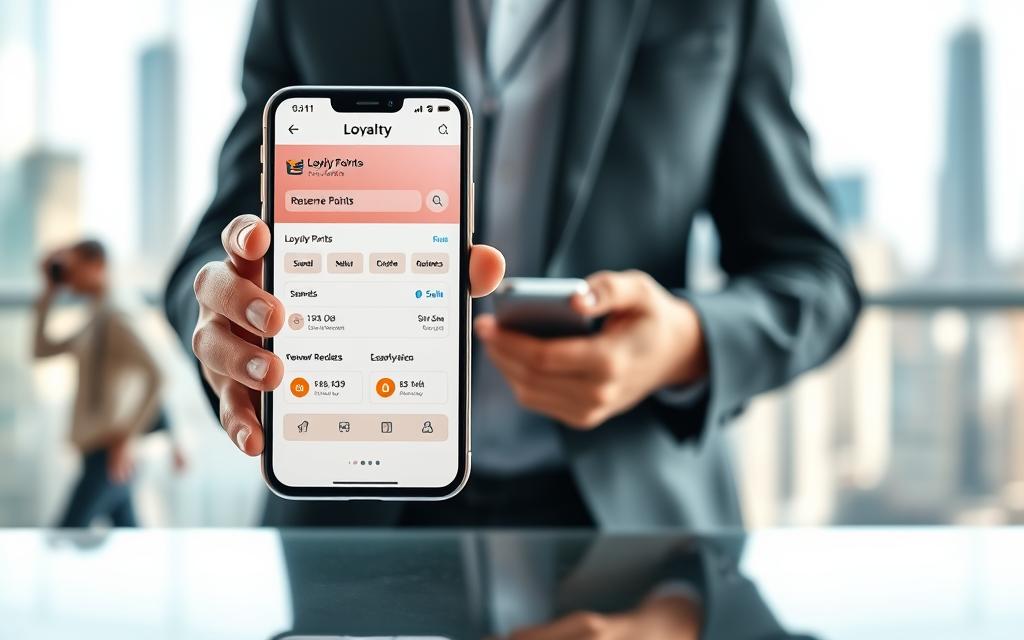
    The North Face XPLR Pass: field testing, Renewed Take-Back, and exclusive drops

    The pass gives 60-day, members-only field testing and early access to collections. It layers events, gifts, and free shipping to remove friction.
    • Earn points tied to cash: clear value keeps customers engaged.
    • Sustainability rewards: Renewed Take-Back incentives eco behavior.
    • Invite-only queues: protect drops and prioritize members over bots.
    • In-field check-ins: connect digital engagement with real-world adventures.

    “Give outdoor customers testing, purpose-driven benefits, and access — they reward you with repeat purchases and advocacy.”

    Track landing-page traffic spikes and app downloads to measure momentum. Use these signals to tweak offers and keep the program tied to product performance and brand values.

    Designing for app, omnichannel, and convenience

    Fast onboarding and built-in conveniences turn an app into a retention engine. Make it simple for customers to sign up and get value right away. That starts with a mobile-first flow that finishes in seconds.

    App-led programs: join in seconds, receipt-free returns, push-based engagement

    Offer instant enrollment, one-tap profiles, and saved payment so members earn on their first visit. Add digital receipts and receipt-free returns to cut friction at every touchpoint.

    Use push notifications for timely offers tied to behavior and location. Push can re-engage app users and drive quick redemptions without heavy discounting.

    Omnichannel execution: POS + ecommerce with integrated loyalty apps

    Integrate point-of-sale and online systems so customers earn and redeem seamlessly. Surface balances in cart and checkout to lift redemption and AOV.

    • Make enrollment instant and mobile-first.
    • Build core utilities—digital receipts, visual progress, easy returns.
    • Coordinate promotions across channels to prevent confusion.
    • Measure app adoption, MAU, and redemption from push to optimize cadence.

    “Put convenience first: an app that saves time becomes the primary way customers interact with your brand.”

    Personalization and customer segmentation to maximize customer lifetime value

    Not every buyer wants the same perk—personalization makes your program more efficient and effective. Use simple segments so you deliver clear value and boost customer experience fast.

    Engaged loyals: VIP access, early access sales, and advocacy loops

    Give your top fans meaningful access. Offer VIP events, early access sales, and referral rewards that turn members into advocates.

    • VIP product drops and community leadership roles.
    • Referral loops that reward reviews and invites.
    • Measure uplift in frequency and margin by segment.

    Game players: status tiers, surprise-and-delight, and flexible redemption

    Tap competitive drives with clear tiers, badges, and surprise perks. Let game players choose how to redeem points for immediate joy.

    • Status goals and visible progress bars.
    • Flexible redemption options to avoid breakage.
    • Surprise offers to re-engage lapsed members.

    Brand driven and belongers: simple perks, low-effort actions, and clarity

    Serve brand-driven customers with practical benefits like free shipping, birthday credits, and access sales. Activate belongers with one-click actions—sign-in, email opens, simple reviews.

    • Use behavior data to update segments dynamically.
    • Trigger tailored campaigns on milestones and lapses.
    • Track segment-level lift in lifetime value to guide marketing investment.

    McKinsey: 76% of customers expect personalization—use it to grow lifetime value without inflating costs.

    Make it successful loyalty: best practices that boost AOV and frequency

    Start with a tiny, testable plan that targets one metric. Pick a clear goal (for example, +15% AOV in six months) and design a simple program that proves value fast.

    Start simple, define goals, and communicate benefits clearly

    Begin with an easy earn-and-burn model customers grasp instantly. Show what members get on the landing page and at checkout so the value is obvious.

    Set measurable targets for AOV, visit frequency, and redemption rates. Run a short test and compare members to non‑members to validate impact.

    Incorporate multiple earning actions and meaningful, members-get perks

    Add ways to earn between purchases: reviews, shares, referrals, and app actions. Practical perks—free shipping, early access, or small vouchers—beat generic discounts.

    • Use visual progress and clear redemption ladders to cut confusion.
    • Personalize triggers—email offers, push nudges—to engage customers more often.
    • Iterate quarterly using cohort and redemption analysis to protect margin.

    “Clear goals and simple rewards turn a program into measurable growth.”

    Metrics that matter: tracking retention, average order value, and program penetration

    Focus your reporting on a handful of metrics that show if your program drives behavior. Good metrics turn data into decisions you can test this quarter.

    From AOV to CLV: measuring lift vs. non-members

    Benchmark AOV and purchase frequency for members and non‑members by cohort. Compare three-month and 12-month windows to spot sustained lift.

    Key KPIs: AOV delta, repeat-rate, and customer lifetime value. Use simple cohort tables to show dollars gained per member.

    “Track % lift, not just raw spend — that tells you whether the program pays off.”

    Engagement health: redemption rates, breakage, visit frequency, and app adoption

    Monitor redemption rates and breakage to balance member benefits and cost. Watch visit cadence, units per transaction, and add-on attachment.

    • Program penetration: % sales from members (Starbucks: 41% of U.S. sales).
    • Stored value trends: forecast cash flow using stored balances and breakage ($1.85B stored value; ~$207M breakage in recent reports).
    • App adoption: MAU and push‑triggered redemptions to tune messaging.
    • Segment KPIs by tier so benefits drive the right behavior.

    Tie reports to action: tweak earn rates, adjust perks, and test messaging based on these signals.

    Turn insights into action: build the right loyalty program for your brand today

    Design a simple plan you can test in 90 days. Pick one model that fits your purchase frequency and margins. Give new customers an obvious benefit on day one so members see value fast.

    Next steps to design, launch, and optimize

    • Choose structure: points, tiered, paid, or value-based that suits your products.
    • Define the core benefit customers feel immediately on signup.
    • Map an omnichannel journey so earning and redeeming is seamless everywhere.
    • Launch with clear messages and a simple redemption ladder.
    • Layer app utilities, early access, or experiential perks as adoption grows.
    • Set KPIs for AOV, frequency, penetration, and redemptions and review quarterly.
    • Personalize by segment to deliver the right offer at the right moment.

    Start small, measure quickly, and iterate. The right program balances clear benefits, easy access, and solid marketing so your brand captures lasting value.

  • Virtual Loyalty Cards: The Smart Choice for Modern Business

    Virtual Loyalty Cards: The Smart Choice for Modern Business

    In today’s competitive market, keeping customers engaged is essential. Did you know that 85% of consumers prefer businesses with a rewards system? Traditional punch cards are outdated and inefficient. Modern businesses need smarter solutions.

    That’s where bonusqr.com comes in. This platform replaces old-school methods with digital loyalty programs that are flexible and easy to use. Your customers will love the convenience of mobile wallet integration, and you’ll save on costs by eliminating physical cards.

    With a 4.8/5 customer satisfaction rating, bonusqr.com is trusted by businesses nationwide. It’s more than just a tool—it’s a way to build lasting relationships and grow your business. Ready to take the next step? Let bonusqr.com guide you.

    Why Virtual Loyalty Cards Are Revolutionizing Customer Engagement

    The way businesses connect with customers is evolving rapidly. Traditional methods like physical cards and stamp cards are being replaced by digital solutions that offer greater convenience and efficiency. These modern tools are not just a trend—they’re a game-changer for customer engagement.

    virtual loyalty program

    The Shift from Physical to Digital Loyalty Programs

    Physical cards often come with hidden costs, ranging from $0.50 to $2 per card. They’re also prone to being lost or forgotten. Digital programs, on the other hand, have zero marginal costs and are accessible 24/7 through customers’ smartphones. This shift eliminates the need for manual tracking and reduces waste, making it a win-win for businesses and the environment.

    How Virtual Cards Enhance Customer Experience

    With features like automatic stamp tracking and location-based notifications, virtual programs make it easier for customers to earn rewards. For example, a coffee shop’s regulars can enjoy seamless reward tracking without carrying a physical card. Plus, 67% of customers prefer mobile wallets, making digital solutions a natural fit for modern preferences.

    By adopting virtual programs, businesses can foster repeat business and build stronger relationships with their customers. It’s not just about rewards—it’s about creating a seamless, enjoyable experience that keeps people coming back.

    Key Benefits of Implementing a Loyalty Card Program

    The right tools can transform how you interact with your audience. A well-designed program not only rewards your customers but also provides valuable insights to grow your business. Let’s explore how these programs can make a difference.

    loyalty program benefits

    Boosting Customer Retention and Repeat Business

    Did you know that 73% of consumers say rewards programs influence their purchases? By offering incentives, you encourage repeat business and keep your audience coming back. For example, tiered rewards can increase the average transaction value, making every visit more profitable.

    One restaurant using this strategy identified a 12% increase in weekday lunch traffic. These results show how small changes can lead to big wins.

    Gaining Valuable Customer Insights and Data

    Digital programs provide a wealth of data to help you understand your audience better. With tools like purchase pattern tracking, you can optimize inventory and tailor marketing campaigns. Bonusqr.com’s dashboard even highlights your top-spending customers, giving you actionable insights.

    Businesses using this approach have seen a 28% revenue increase. Plus, GDPR-compliant systems ensure your data is secure while building trust with your audience.

    How Virtual Loyalty Cards Drive Business Growth

    Driving growth requires more than just products—it’s about creating memorable experiences. Virtual programs are transforming how businesses connect with their audience, offering tools that incentivize customers and foster long-term relationships.

    virtual loyalty program

    Encouraging Repeat Purchases and Brand Loyalty

    Loyal customers are 6.5x more valuable over their lifetime. By offering rewards for repeat visits, you keep your audience engaged and coming back. For example, a hair salon offering double stamps for weekday appointments saw a 19% increase in foot traffic.

    Dynamic reward adjustments based on customer value ensure your top spenders feel appreciated. Birthday rewards alone have boosted Q4 sales by 23% for some businesses. These strategies not only drive repeat business but also strengthen your brand.

    Creating Personalized Customer Experiences

    Generic discounts are no longer enough. Modern customers expect tailored experiences. Multi-tier reward structures and geo-fenced offers allow you to deliver personalized rewards that resonate with your audience.

    Bonusqr.com’s A/B testing capabilities let you experiment with offers to see what works best. Features like automated replenishment alerts for expiring points and social media integration for referral bonuses add a layer of convenience and excitement.

    By focusing on the customer experience, you create a program that feels personal and engaging. This approach not only drives growth but also builds a loyal community around your business.

    Why bonusqr.com is the Best Loyalty Platform for Your Business

    Choosing the right platform for your business can make all the difference. With bonusqr.com, you get a solution that’s designed to simplify your operations while enhancing customer satisfaction. From seamless integration to advanced features, this platform stands out as the top choice for modern businesses.

    bonusqr.com loyalty platform

    Seamless Integration and User-Friendly Design

    Setting up bonusqr.com takes just 15 minutes, thanks to its no-code setup and compatibility with 50+ ecommerce platforms. Whether you’re a small boutique or a large enterprise, the platform adapts to your needs effortlessly. Plus, its iOS and Android stamper apps ensure your team can manage rewards on the go.

    Customizable templates let you match the program to your brand guidelines. This ensures a consistent look and feel that resonates with your audience. For enterprise users, API access provides deeper integration with existing systems.

    Advanced Features for Tracking and Rewarding Customers

    bonusqr.com offers tools that go beyond basic rewards. Bulk stamp issuing makes it easy to appreciate customers during special events. The platform also provides military-grade encryption for secure transactions, giving you and your customers peace of mind.

    With a 98.9% system uptime guarantee and 24/7 customer support, you’ll never miss a beat. The unlimited customers, stamps, and rewards pricing model ensures scalability as your business grows.

    Feature bonusqr.com Traditional POS Systems
    Setup Time 15 minutes Hours to days
    Customization Fully customizable Limited options
    Security Military-grade encryption Basic security
    Support 24/7 with Limited hours

    For example, a boutique launched its custom loyalty cards during the holiday rush without a hitch. The result? A stress-free experience and happier customers. With bonusqr.com, you’re not just getting a service—you’re getting a partner in growth.

    Designing a Custom Loyalty Card Program That Works

    Crafting a program that resonates with your audience starts with thoughtful design. A well-structured program not only rewards your customers but also strengthens your relationships with them. Let’s explore how to create a program that works for your business.

    custom loyalty program design

    Choosing the Right Rewards and Incentives

    Rewards should be both attainable and aspirational. For example, a coffee shop offering a free pastry after 10 purchases saw a 31% increase in repeat visits. This balance keeps customers motivated without overwhelming them.

    Here are seven principles for effective rewards:

    • Make rewards easy to understand.
    • Offer tiered incentives for higher engagement.
    • Use expiration timelines to create urgency.
    • Personalize rewards based on customer behavior.
    • Incorporate cross-promotions with partner businesses.
    • Ensure rewards align with your brand values.
    • Test and refine your offers using A/B testing.

    Tailoring the Program to Fit Your Brand Identity

    Your program should reflect your brand’s personality. Start with templates that allow for double-sided designs and branded color schemes. VistaPrint’s top-rated options are a great starting point.

    Font and color psychology play a key role in digital card design. For instance, warm tones like red and orange can evoke excitement, while cool tones like blue promote trust. Bonusqr.com’s design concierge service can help you create a program that feels uniquely yours.

    Before-and-after examples of branded digital cards show how small changes can make a big impact. A consistent look and feel not only enhance the customer experience but also reinforce your brand identity.

    Ready to get started? Download our program checklist PDF to ensure you’ve covered all the essentials.

    Real-World Success Stories with Virtual Loyalty Cards

    Businesses across industries are seeing remarkable results with virtual loyalty programs. From bakeries to gyms, these digital solutions are driving growth and enhancing customer engagement. Let’s dive into some inspiring examples.

    virtual loyalty program success stories

    Case Studies of Thriving Businesses

    A Denver bakery experienced a 63% revenue growth in just six months after implementing a digital rewards system. Customers earned a stamp for every purchase, encouraging repeat visits. Similarly, a pet store owner shared, “We recovered 80% of lapsed customers with personalized offers.”

    Gyms are also benefiting. One fitness center saw a 40% increase in membership renewals after introducing tiered rewards. These results show how virtual programs can transform customer behavior.

    Testimonials from Satisfied Users

    With glowing reviews from users, it’s clear these programs are making a difference. A local coffee shop reported, “Our baristas now upsell 3x more effectively thanks to the program.” Another user highlighted the time-saving benefits: “Processing repeat orders is very simple.”

    Here’s a quick comparison of key metrics:

    Metric Before Program After Program
    Stamps per Customer/Month 4.3 12
    Customer Retention (18 Months) 65% 92%
    Monthly Savings (Coupon Printing) $0 $8,000

    These success stories prove that virtual loyalty programs are more than just a trend—they’re a powerful tool for growth.

    Take the Next Step Toward Building Customer Loyalty

    Ready to elevate your business with a smarter rewards system? With bonusqr.com, you can create a seamless program that keeps your customers engaged and coming back. Start with a free 15-day trial—no credit card required.

    Signing up takes just 2 minutes, and you’ll gain instant access to all features. Use the exclusive code LOYALTY25 for 25% off your first month. Plus, our expert onboarding team will guide you every step of the way.

    Don’t wait—your competitors are already adapting. Start your free trial at bonusqr.com today and see the difference a modern rewards system can make.

  • Customizing White Label Rewards Programs for Your Brand

    Customizing White Label Rewards Programs for Your Brand

    Your customers expect more than generic rewards systems. They want experiences that feel uniquely tied to your business – and your marketing strategy deserves tools that deliver real growth. That’s where tailored loyalty platforms shine.

    Companies like PepsiCo and NerdWallet use BonusQR.com’s solutions to create branded engagement tools that blend seamlessly with their operations. Imagine a system that mirrors your visual identity, from colors to messaging, while offering enterprise-level features. This isn’t just about points and coupons – it’s about building lasting connections.

    Scalability matters, whether you’re managing one store or hundreds. Modern platforms grow with your ambitions, integrating smoothly with existing tools via API-first designs. You gain actionable insights into customer behavior without technical headaches.

    The right strategy turns casual shoppers into passionate advocates. Personalized rewards, frictionless digital experiences, and data-driven adjustments keep your audience engaged. Best part? You don’t need a corporate budget to access these tools.

    Key Takeaways

    • Tailored rewards programs strengthen brand identity and customer relationships
    • API-first designs ensure easy integration with current business systems
    • Scalable solutions adapt to single locations or multi-market expansions
    • Data analytics help optimize marketing efforts for higher ROI
    • Enterprise-grade features remain accessible for smaller businesses

    Understanding the Landscape of Loyalty Programs

    Modern businesses face a critical challenge: standing out in a sea of sameness. Generic strategies no longer cut through the noise. Today’s successful brands build relationships through purpose-driven interactions that keep people coming back.

    Defining Loyalty, Rewards, and Engagement

    True loyalty isn’t about tracking purchases – it’s about earning trust. Customers stick with brands that understand their needs and deliver tailored value. Effective rewards programs focus on what your audience actually wants, not just discounts.

    customer loyalty program strategies

    Engagement thrives when interactions feel personal. Think birthday offers, exclusive early access, or surprise upgrades. These moments create emotional ties that generic punch cards can’t match.

    The Rise of White-Label Solutions in Digital Marketing

    As digital marketing evolved, businesses needed tools to deliver unique experiences without rebuilding systems from scratch. Ready-made platforms now let you deploy branded programs faster than ever. One restaurant chain saw 37% repeat visits after launching customized rewards through such solutions.

    Flexibility is key. The best systems adapt to your customers’ changing habits while maintaining your brand’s look and feel. You gain enterprise-grade features without the upfront costs, making premium tools accessible to growing businesses.

    Tailoring Loyalty Solutions for Agencies and Branch Networks

    What separates thriving agencies from competitors? The ability to deliver turnkey solutions that drive real results for clients. Modern platforms like BonusQR.com empower agencies to build customized programs faster than drafting a proposal.

    agency loyalty solutions

    Powering Agency Success Through Custom Tools

    Imagine managing 15 client accounts through one dashboard while maintaining unique branding for each. Boomerangme’s platform makes this possible, letting agencies offer services that feel bespoke without endless development hours. You strengthen client relationships while scaling your own business.

    DimCoffee’s 42-location success proves the model works. Their agency partner used customizable templates to launch a unified program across all shops. The result? $1.8M revenue growth from members in 8 months.

    Branch Networks Built for Consistency

    Major chains like Starbucks show how standardized rewards create customer habits. Whether someone visits Miami or Minneapolis, the experience stays familiar. BonusQR.com helps multi-location businesses achieve this through:

    Feature Agency Advantage Branch Benefit
    Central Dashboard Manage 50+ clients Update 100+ locations
    Brand Customization White-label for clients Consistent visuals
    Scalable Rules Adapt to client size Regional promotions

    This approach turns fragmented locations into cohesive networks. Customers earn rewards identically at every branch, while managers gain real-time insights to optimize local offers.

    Your clients don’t need to choose between personalization and scale. With the right solution, you help them achieve both – cementing your value as their growth partner.

    Maximizing Growth with a white label loyalty app

    Smartphones have become the new storefront, and your branded platform keeps your business at customers’ fingertips daily. Research shows engaged users spend 37% more than occasional shoppers—proof that convenience drives spending habits. Tailored mobile experiences create lasting connections that generic programs can’t match.

    mobile customer retention strategies

    Boosting Customer Retention and Lifetime Value

    Your branded platform becomes a direct channel for personalized interactions. People check reward balances during coffee breaks and redeem points while commuting—your business stays visible between purchases. This constant access builds shopping habits competitors struggle to break.

    Repeat buyers spend 68% more annually than new customers according to Boomerangme’s data. Why? They develop trust in your brand and appreciate exclusive perks like early product access. One regional grocery chain saw 42% higher basket sizes from members using their mobile platform.

    Growth accelerates through organic referrals. Satisfied customers share experiences with friends—83% of consumers trust peer recommendations over ads. These warm leads convert faster and cost 40% less to acquire than cold traffic.

    Your dashboard reveals what’s working: which offers drive redemptions, when users engage most, and which products create superfans. With these insights, you refine promotions to maximize returns. Enterprise brands using this approach see predictable revenue streams—even during market shifts.

    Exploring BonusQR.com’s Innovative Loyalty Application

    Business growth demands tools that adapt to your strategy, not the other way around. BonusQR.com delivers precisely that through two specialized approaches: one for multi-location brands and another for agencies building client solutions. Each path offers distinct advantages while maintaining full brand ownership.

    custom loyalty platform pricing

    White-Label for Branches: Branding and Pricing Options

    Multi-store operations need consistency without compromising local identity. For €690 setup plus €19-69/month, your locations get:

    Feature Brand Control Cost Efficiency
    App Store Presence Your logo & colors No developer fees
    Reward Mechanics Custom point rules Scalable pricing tiers
    Promotion Tools Tailored messaging Bulk campaign setup

    This model lets regional chains maintain visual cohesion while offering location-specific perks. Customers see your brand – not a third-party platform – when earning points or booking services.

    White-Label for Agencies and Resellers: Flexibility and Profitability

    Marketing firms and SaaS providers unlock new revenue streams with €690 initial + €69/month access. You gain:

    Agency Advantage Client Benefit Profit Potential
    White-label dashboard Industry-specific rewards 200%+ markup options
    Template library Quick launch timelines Recurring income
    Client management Dedicated support Upsell opportunities

    One digital agency increased monthly retainers by 63% using this model. Clients receive turnkey programs while you control pricing and service tiers – a win-win for sustainable growth.

    Benefits and Flexibility of White-Label Options

    In a crowded market, differentiation drives customer retention. White-label platforms let you deliver distinctive experiences while keeping operational costs predictable. You maintain full creative control without sacrificing scalability – a game-changer for businesses balancing growth with budget constraints.

    Seamless Customization with Your Brand’s Identity

    Your rewards program should mirror your company’s voice, not some generic template. Advanced solutions let you adjust everything from email headers to reward tiers. One bakery chain increased redemption rates by 41% after aligning their platform’s visuals with their retro-chic store designs.

    True customization goes deeper than surface changes. You decide which features to emphasize – maybe VIP tiers for luxury brands or family-sharing options for kid-focused businesses. This flexibility ensures your platform grows alongside shifting customer expectations.

    Affordable Pricing and Subscription Models

    Boomerangme’s agency plan demonstrates smart cost management: 3 free sub-accounts cover basic needs, with $15/month additions as you expand. Payment integrations through Stripe or PayPal simplify renewals, while unlimited free trials let prospects test-drive your solution risk-free.

    “We scaled from 12 to 87 client accounts without doubling our costs,”

    notes a SaaS provider using this model. Tiered subscriptions mean you only pay for what you use today, with clear paths to upgrade as your loyalty program gains momentum.

    Seamless Integration and Omni-Channel Engagement

    Your tech stack shouldn’t limit your customer relationships. Modern platforms use API-first designs to connect every touchpoint, from POS systems to email campaigns. This creates unified experiences that keep customers engaged wherever they interact with your brand.

    API-Driven Solutions and Real-Time Analytics

    Imagine updating inventory levels, reward balances, and customer profiles across all channels simultaneously. API integrations make this possible without manual data entry. Tools like Zapier and Pabbly connect your loyalty platform to 5,000+ apps in minutes – no coding required.

    Feature Benefit Business Impact
    API Architecture Syncs with existing systems Reduces IT costs by 62%*
    Live Dashboards Tracks redemption trends Boosts offer relevance by 41%
    Omni-Channel Sync Unifies web/app/in-store data Increases member activity 3.2x

    Real-time analytics show what’s working instantly. See which rewards drive repeat purchases or which locations need promotional adjustments. One retailer increased holiday sales by 29% after spotting underperforming gift card offers in their dashboard.

    Data flows both ways – your CRM updates when customers earn points, and your loyalty program reacts to inventory changes. This two-way communication eliminates gaps in customer understanding. As one SaaS founder noted: “We finally see the full customer journey, not just isolated transactions.”

    Scalability is built-in. Start with basic integrations and add complex workflows as your needs grow. Whether you operate three stores or 300, the solution adapts without overhauling your entire tech stack.

    Driving Customer Engagement with Data-Driven Insights

    Imagine knowing exactly what makes your customers click—before they even search for discounts. Modern tools analyze patterns in purchasing habits and browsing behavior, turning raw numbers into actionable strategies. This intelligence lets you craft experiences that feel personal, not programmed.

    Turning Analytics Into Action

    Platforms like Boomerangme transform purchase histories into precision marketing. A coffee shop chain discovered 72% of their members preferred afternoon visits—so they sent push notifications for 2 PM pastry discounts. Redemption rates tripled within weeks.

    Personalized messages outperform generic blasts every time. Users open 53% more offers when promotions match their past purchases. Your dashboard highlights which customers respond to birthday rewards versus limited-time deals, letting you tailor campaigns accordingly.

    Real-time updates keep interactions fresh. Location-based alerts notify users about nearby specials when they’re most likely to act. One boutique saw 28% higher foot traffic after implementing geofenced offers during lunch hours.

    Effective marketing isn’t guesswork anymore. Segmentation tools group customers by behavior: frequent buyers get VIP perks, while occasional shoppers receive re-engagement incentives. This approach builds relevance at every touchpoint.

    Elevating Your Loyalty Program Journey

    Building a standout loyalty strategy requires more than points—it demands partnership. Your program’s success grows through continuous refinement and expert guidance. With 30,000+ businesses trusting Boomerangme’s solutions, you gain a team committed to your growth at every step.

    Their support specialists don’t just troubleshoot—they proactively suggest improvements based on industry trends. One café chain boosted repeat visits by 58% after implementing their team’s personalized engagement tips. You keep full control while leaning on proven expertise.

    Start risk-free with a 14-day trial (no card needed) to test features tailored for your clients. The platform adapts as your business scales, ensuring your program stays relevant through market shifts. Regular updates reflect user feedback, keeping your product ahead of competitors.

    Your journey toward deeper customer connections evolves over time. With responsive support and data-driven adjustments, you turn short-term wins into lasting loyalty. Ready to begin? The right tools—and partners—await.

  • Digital Customer Loyalty Cards: The Complete Guide

    Digital Customer Loyalty Cards: The Complete Guide

    You want long-term relationships with customers, and a little incentive can go a long way. With custom loyalty cards, you can reward repeat business with a special gift or discount.

    These modern cards keep your business name, logo, and contact info right in your customers’ wallets or purses. Beyond being a savvy promotional piece, loyalty programs can add a level of fun and satisfaction to the customer experience.

    By implementing digital loyalty cards, you can transform how you build lasting customer relationships. For more insights, check out our comprehensive guide on digital loyalty cards.

    Key Takeaways

    • Digital loyalty cards replace traditional paper punch cards with mobile wallet solutions.
    • They integrate with Apple Wallet and Google Wallet, making them always accessible.
    • Key features include contactless stamping, personalization options, and real-time data insights.
    • Digital loyalty programs can increase customer retention and lifetime value.
    • A well-designed digital loyalty program can drive business growth.

    Why Digital Loyalty Cards Are Revolutionizing Customer Retention

    The rise of digital loyalty cards is revolutionizing customer retention strategies. As customers increasingly expect convenience and accessibility, businesses are turning to digital solutions to enhance customer relationships.

    The Evolution From Physical to Digital Cards

    Traditional paper punch cards are being rapidly replaced by digital alternatives. This shift represents a natural progression in our mobile-first world, where customers expect ease of use and accessibility. Digital loyalty cards eliminate common frustrations with physical cards, such as loss or damage.

    Key Advantages of Going Digital

    Digital loyalty cards offer numerous benefits, including reduced costs, real-time data insights, and personalized marketing opportunities. By switching to digital loyalty programs, businesses can streamline their reward processes, promote hygiene, and drive customer engagement.

    How Digital Loyalty Cards Work

    At the heart of digital loyalty cards lies a simple yet powerful technology that revolutionizes customer retention. Digital loyalty cards seamlessly integrate with mobile wallet applications, making it easy for customers to access and use their loyalty cards.

    Mobile Wallet Integration

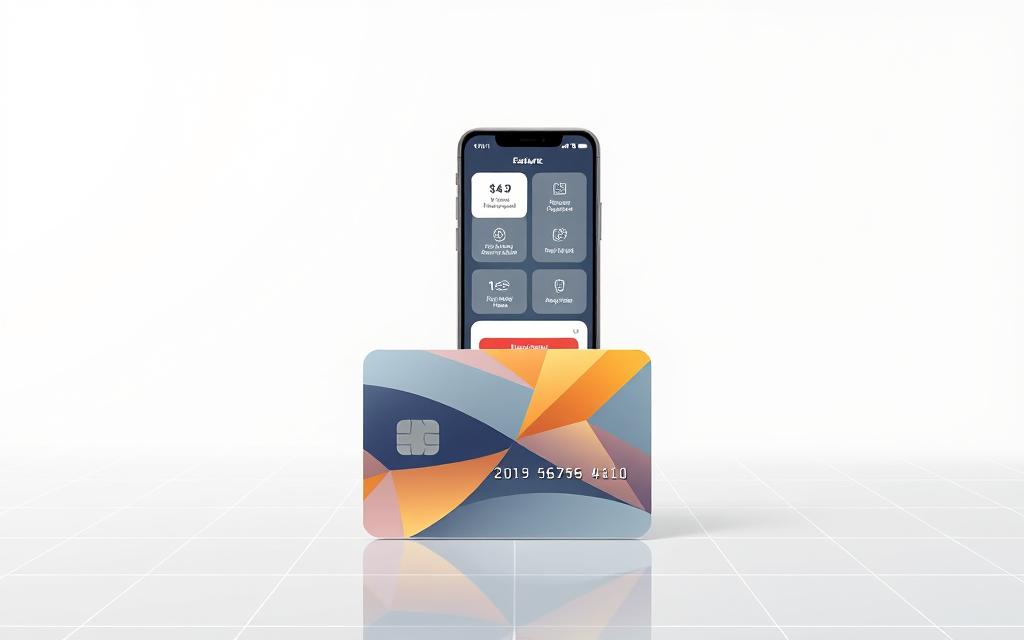
    Digital loyalty cards integrate with popular mobile wallets like Apple Wallet and Google Wallet, placing your brand alongside customers’ credit cards and other important digital items. This integration is straightforward, allowing customers to add your loyalty card through various methods.

    Contactless Stamping and Reward Distribution

    digital loyalty card systems

    Learn More

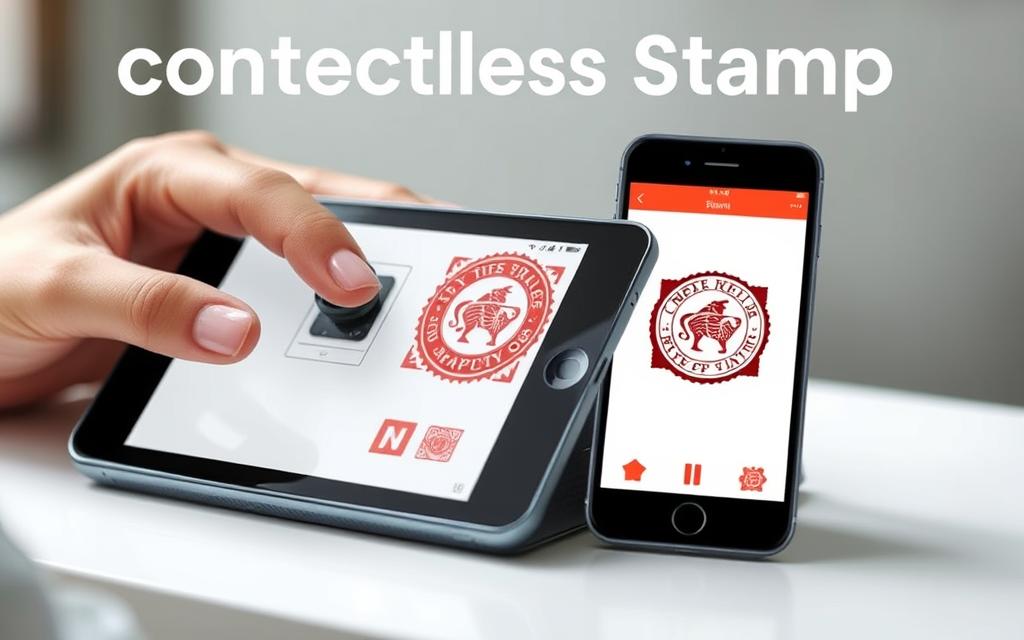
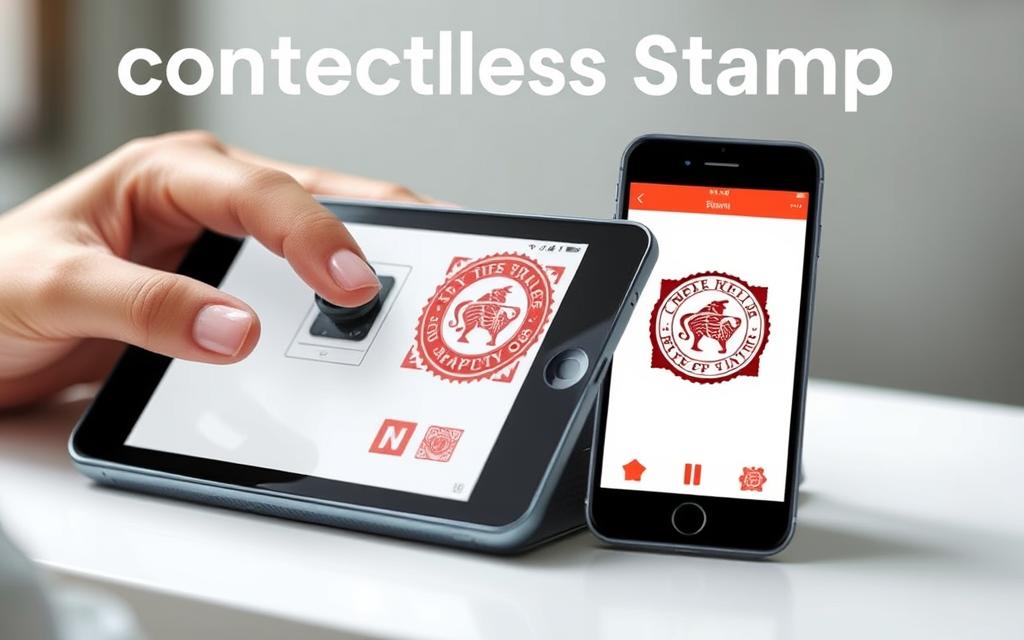
    The stamping process is entirely contactless, with staff issuing digital stamps through a dedicated stamper app with a simple scan of the customer’s digital card. When customers earn enough stamps, rewards are automatically displayed on their digital card, creating an engaging visual experience.

    Essential Features of Effective Loyalty Card Programs

    An effective loyalty card program is one that balances simplicity with engaging features, creating a loyal customer base. To achieve this, businesses must consider several key elements when designing their loyalty programs.

    Single vs. Multi-Reward Structures

    The structure of your rewards program significantly impacts its effectiveness. You can choose between single-reward systems, such as “Buy 10, get 1 free,” or multi-tiered rewards that offer escalating benefits as customers collect more stamps. Multi-reward structures create multiple achievement milestones, keeping customers engaged longer.

    Personalization Options

    Personalization capabilities allow you to tailor your loyalty program to individual customer preferences, creating a more meaningful connection with your brand. Effective loyalty cards incorporate your brand’s visual identity through customizable designs, colors, and imagery.

    Location-Based Notifications

    Location-based notifications represent a powerful feature that can automatically alert customers about your loyalty program when they’re physically near your business location. These proximity alerts appear directly on customers’ lock screens, driving spontaneous visits and increasing program participation.

    Feature Description Benefits
    Single-Reward Structure Buy 10, get 1 free Simple and easy to understand
    Multi-Reward Structure Collect 4 stamps and get $5 off, collect 8 stamps and get 1 free appetizer Multiple achievement milestones, increased customer engagement
    Personalization Options Customizable designs, colors, and imagery Creates a meaningful connection with customers, reinforces brand recognition
    Location-Based Notifications Proximity alerts on customers’ lock screens Drives spontaneous visits, increases program participation

    coffee in teacup on table with loyalty card

    Implementing Digital Loyalty Cards for Your Business

    Digital loyalty cards are revolutionizing the way businesses interact with customers. By implementing a digital loyalty card program, you can increase customer retention and drive repeat business.

    Setting Up Your Digital Loyalty Program

    To get started, you’ll need to select a loyalty card structure that fits your business model. This could be a simple punch card replacement or a multi-tiered reward system with various incentives. Customize your digital card’s appearance with your brand colors, logo, and imagery to create a cohesive extension of your visual identity.

    Connecting With Customers and Promoting Your Program

    Once your program is set up, focus on connecting with customers and promoting your digital loyalty card program. Leverage your existing communication channels, such as email newsletters and social media accounts, to inform customers about your new program. Consider offering an initial bonus or discount to encourage sign-ups.

    Measuring the Success of Your Loyalty Card Program

    Measuring the effectiveness of your loyalty program is crucial for business growth. To understand its impact, you need to track key metrics that reveal customer engagement and business outcomes.

    Key Performance Metrics to Track

    To gauge the success of your loyalty card program, focus on metrics such as participation rate, redemption rate, and customer retention. These metrics provide insights into program adoption, reward value, and customer behavior. For instance, a high redemption rate indicates that your rewards are valuable, while a low participation rate may suggest that your program needs more appealing incentives.

    Using Customer Data to Optimize Your Program

    Digital loyalty platforms offer searchable transaction histories, enabling you to segment customers based on their behavior and preferences. You can use this data to refine your reward structures, making them more appealing to your most loyal customers. For example, you can track loyalty program metrics to identify areas for improvement and optimize your program for better results.

    Man analyzes loyalty data on a tablet

    Taking Your Customer Relationships Beyond the Loyalty Card

    While digital loyalty cards are a powerful tool, they represent just the beginning of a robust customer retention strategy. To build meaningful customer relationships, consider expanding your loyalty program beyond simple stamp collection.

    You can achieve this by introducing tiered membership levels that reward your most valuable customers with exclusive benefits. Community-building initiatives, such as exclusive events or social media groups, can also create bonds between customers who share an affinity for your brand.

    By leveraging customer data and integrating your loyalty program with other customer touchpoints, you can create a cohesive experience across all channels. This approach will help you build emotional connections and brand advocates who promote your business through word-of-mouth.

  • Digital Customer Loyalty Cards: The Complete Guide

    Digital Customer Loyalty Cards: The Complete Guide

    You want long-term relationships with customers, and a little incentive can go a long way. With custom loyalty cards, you can reward repeat business with a special gift or discount.

    These modern cards keep your business name, logo, and contact info right in your customers’ wallets or purses. Beyond being a savvy promotional piece, loyalty programs can add a level of fun and satisfaction to the customer experience.

    By implementing digital loyalty cards, you can transform how you build lasting customer relationships. For more insights, check out our comprehensive guide on digital loyalty cards.

    Key Takeaways

    • Digital loyalty cards replace traditional paper punch cards with mobile wallet solutions.
    • They integrate with Apple Wallet and Google Wallet, making them always accessible.
    • Key features include contactless stamping, personalization options, and real-time data insights.
    • Digital loyalty programs can increase customer retention and lifetime value.
    • A well-designed digital loyalty program can drive business growth.

    Why Digital Loyalty Cards Are Revolutionizing Customer Retention

    The rise of digital loyalty cards is revolutionizing customer retention strategies. As customers increasingly expect convenience and accessibility, businesses are turning to digital solutions to enhance customer relationships.

    The Evolution From Physical to Digital Cards

    Traditional paper punch cards are being rapidly replaced by digital alternatives. This shift represents a natural progression in our mobile-first world, where customers expect ease of use and accessibility. Digital loyalty cards eliminate common frustrations with physical cards, such as loss or damage.

    Key Advantages of Going Digital

    Digital loyalty cards offer numerous benefits, including reduced costs, real-time data insights, and personalized marketing opportunities. By switching to digital loyalty programs, businesses can streamline their reward processes, promote hygiene, and drive customer engagement.

    How Digital Loyalty Cards Work

    At the heart of digital loyalty cards lies a simple yet powerful technology that revolutionizes customer retention. Digital loyalty cards seamlessly integrate with mobile wallet applications, making it easy for customers to access and use their loyalty cards.

    Mobile Wallet Integration

    Digital loyalty cards integrate with popular mobile wallets like Apple Wallet and Google Wallet, placing your brand alongside customers’ credit cards and other important digital items. This integration is straightforward, allowing customers to add your loyalty card through various methods.

    Contactless Stamping and Reward Distribution

    digital loyalty card systems

    Learn More

    The stamping process is entirely contactless, with staff issuing digital stamps through a dedicated stamper app with a simple scan of the customer’s digital card. When customers earn enough stamps, rewards are automatically displayed on their digital card, creating an engaging visual experience.

    Essential Features of Effective Loyalty Card Programs

    An effective loyalty card program is one that balances simplicity with engaging features, creating a loyal customer base. To achieve this, businesses must consider several key elements when designing their loyalty programs.

    Single vs. Multi-Reward Structures

    The structure of your rewards program significantly impacts its effectiveness. You can choose between single-reward systems, such as “Buy 10, get 1 free,” or multi-tiered rewards that offer escalating benefits as customers collect more stamps. Multi-reward structures create multiple achievement milestones, keeping customers engaged longer.

    Personalization Options

    Personalization capabilities allow you to tailor your loyalty program to individual customer preferences, creating a more meaningful connection with your brand. Effective loyalty cards incorporate your brand’s visual identity through customizable designs, colors, and imagery.

    Location-Based Notifications

    Location-based notifications represent a powerful feature that can automatically alert customers about your loyalty program when they’re physically near your business location. These proximity alerts appear directly on customers’ lock screens, driving spontaneous visits and increasing program participation.

    Feature Description Benefits
    Single-Reward Structure Buy 10, get 1 free Simple and easy to understand
    Multi-Reward Structure Collect 4 stamps and get $5 off, collect 8 stamps and get 1 free appetizer Multiple achievement milestones, increased customer engagement
    Personalization Options Customizable designs, colors, and imagery Creates a meaningful connection with customers, reinforces brand recognition
    Location-Based Notifications Proximity alerts on customers’ lock screens Drives spontaneous visits, increases program participation

    loyalty card program features

    Implementing Digital Loyalty Cards for Your Business

    Digital loyalty cards are revolutionizing the way businesses interact with customers. By implementing a digital loyalty card program, you can increase customer retention and drive repeat business.

    Setting Up Your Digital Loyalty Program

    To get started, you’ll need to select a loyalty card structure that fits your business model. This could be a simple punch card replacement or a multi-tiered reward system with various incentives. Customize your digital card’s appearance with your brand colors, logo, and imagery to create a cohesive extension of your visual identity.

    Connecting With Customers and Promoting Your Program

    Once your program is set up, focus on connecting with customers and promoting your digital loyalty card program. Leverage your existing communication channels, such as email newsletters and social media accounts, to inform customers about your new program. Consider offering an initial bonus or discount to encourage sign-ups.

    Measuring the Success of Your Loyalty Card Program

    Measuring the effectiveness of your loyalty program is crucial for business growth. To understand its impact, you need to track key metrics that reveal customer engagement and business outcomes.

    Key Performance Metrics to Track

    To gauge the success of your loyalty card program, focus on metrics such as participation rate, redemption rate, and customer retention. These metrics provide insights into program adoption, reward value, and customer behavior. For instance, a high redemption rate indicates that your rewards are valuable, while a low participation rate may suggest that your program needs more appealing incentives.

    Using Customer Data to Optimize Your Program

    Digital loyalty platforms offer searchable transaction histories, enabling you to segment customers based on their behavior and preferences. You can use this data to refine your reward structures, making them more appealing to your most loyal customers. For example, you can track loyalty program metrics to identify areas for improvement and optimize your program for better results.

    loyalty program metrics

    Taking Your Customer Relationships Beyond the Loyalty Card

    While digital loyalty cards are a powerful tool, they represent just the beginning of a robust customer retention strategy. To build meaningful customer relationships, consider expanding your loyalty program beyond simple stamp collection.

    You can achieve this by introducing tiered membership levels that reward your most valuable customers with exclusive benefits. Community-building initiatives, such as exclusive events or social media groups, can also create bonds between customers who share an affinity for your brand.

    By leveraging customer data and integrating your loyalty program with other customer touchpoints, you can create a cohesive experience across all channels. This approach will help you build emotional connections and brand advocates who promote your business through word-of-mouth.

  • Building Customer Loyalty using Application in the Digital Age

    Building Customer Loyalty using Application in the Digital Age

    Make your program a daily habit, not a one-off perk. Mobile apps let a brand reward behavior and deliver VIP access, exclusive content, and fast, personalized offers.

    Fast, simple, and secure matter most to Gen Z and busy shoppers. Top apps use clear design, real-time engagement, and gamification to boost retention and sales.

    You’ll see which platforms speed time-to-market and which features—mobile wallets, push notifications, and encryption—earn trust. Real examples like Starbucks, H&M, and Tesco show how a program moves from occasional reward to everyday habit.

    Whether you start with a SaaS platform or build a custom product, this guide helps you choose the right tools, measure impact, and protect data while increasing engagement and revenue.

    Key Takeaways

    • Mobile apps turn rewards into routine, improving retention and sales.
    • Prioritize personalization, seamless design, and real-time offers.
    • Look for platforms that enable quick pilots before full rollout.
    • Include security: encryption and two-factor verification.
    • Measure program performance and optimize for lifetime value.

    Why loyalty apps matter now for retention, revenue, and customer engagement

    A well-built rewards app keeps your brand in daily routines and drives predictable repeat purchases.

    Consumers today expect fast, visible benefits. Fifty-seven percent of shoppers say they spend more on brands they trust. That makes a loyalty program a clear path to higher sales and deeper retention.

    In 2021, Macy’s tied 70% of transactions to its program and added millions of new members. That shows structured incentives work across retail and beyond.

    turned-on monitor

    From transactional rewards to VIP experiences: what’s driving adoption

    Modern programs mix instant rewards with exclusive access. Quick discounts sit beside VIP drops, early access, and members-only content.

    Personalization and real-time offers make pushes feel relevant, not pushy. That boosts engagement and encourages higher-value behaviors.

    Present-day expectations in the United States market

    • Frictionless signup and fast earn-and-burn cycles.
    • Clear points visibility and real-time notifications.
    • Balanced rewards: short-term perks plus tiered progression.
    Benefit Why it matters U.S. example
    Higher spend Members buy more frequently and at higher baskets 57% spend more on brands they prefer
    Predictable retention App-based programs make visits habitual Macy’s: 70% of transactions via program
    Better engagement Personalized offers drive timely actions Real-time pushes and wallet integration

    Bottom line: A clear program strategy gives you control over margins while turning occasional buyers into regulars. Track engagement and retention to refine what works for different segments.

    What a customer loyalty application is and how it differs from a loyalty program

    An app is the bridge between your program design and real, repeatable buying behavior.

    A mobile loyalty program app is the digital tool that delivers your program to a phone. It makes points visible, lets users redeem rewards, and sends timely pushes that nudge action.

    The software layer handles core mechanics: points accrual, tier progression, paid subscriptions, and value-driven choices tied to causes. It also lets your brand personalize offers using safe data signals.

    • The app centralizes identity and shows balances in real time.
    • Points programs reward buys and actions like reviews or birthdays.
    • Tiers add status and unlock experiential perks as engagement grows.
    • Paid variants drive higher commitment—subscribers spend more over time.
    • Value models let shoppers give to causes instead of taking direct rewards.

    Strategy matters: align program structure to purchase frequency and product margins so benefits scale. Use data ethically to recommend relevant products and let people control preferences in-app.

    woman holding magnetic card

    Model How it works When to use
    Points Program Earn points per purchase and actions; redeem for discounts or items High-repeat purchases; broad product range
    Tier Program Status levels unlock better benefits and experiences Brands with varied spend patterns and aspirational value
    Paid Program Paid membership with ongoing perks; higher spend from members Frequent buyers who value immediate benefits
    Value Program Donations or impact-based rewards tied to purchases Purpose-driven brands and socially engaged audiences

    Customer trust, privacy, and security in loyalty apps

    Trust starts with clear controls: secure storage, strict access rules, and easy recovery options. Most legitimate apps use encrypted storage, two-factor authentication, and vetted cloud services to keep personal and payment info safe.

    loyalty app security

    Make security a visible benefit. Only distribute your app through official stores. Teach users to avoid third-party clones and to check permissions before installing.

    “Encrypt sensitive data, require 2FA for high-value actions, and publish a plain-language privacy policy.”

    • Encrypt data at rest and in transit; require 2FA for account changes and high-value redemptions.
    • Use secure cloud services with regular audits, rotated keys, and least-privilege access.
    • Tokenize digital card barcodes and QR codes; rate-limit attempts to block fraud in real time.
    • Keep permissions minimal and explain why you need each one to unlock clear benefits.
    • Publish an in-app preference center so users manage data and communications themselves.

    Train support teams to spot social engineering and run regular penetration tests. Review third-party SDKs and remove any that don’t meet your security standards. Brands like Starbucks, H&M, and Nordstrom follow these practices to protect members and preserve trust over time.

    Features customers expect from loyalty apps today

    Top programs put mobile-first features at the center: wallet passes, instant pushes, and live point updates.

    Loyalty app features

    Mobile wallets, push notifications, and real-time rewards

    Offer wallet passes so members add a digital card to Apple Wallet or Google Wallet and tap to redeem rewards at checkout.

    Use real-time notifications to confirm points, remind members of expiring rewards, and nudge repeat orders when they’re near a store.

    Personalization, gamification, and data-driven insights

    Surface personalized feeds and offers from browsing, purchases, and stated preferences—think H&M’s “My Style” approach.

    Gamify progression with tiers, badges, streaks, and visible point goals to motivate members toward the next reward.

    Seamless UX: design, speed, and accessibility

    Keep the app lightning-fast: minimize taps to earn, redeem, and access the barcode. Cache key screens so balances load offline.

    Design for accessibility with clear contrast, large targets, and voiceover support. Include store maps, order history, and saved products to shorten the path to purchase.

    • Unified wallet view: points, coupons, and vouchers combine at checkout.
    • Data-driven reward timing for surprise-and-delight moments.
    • Built-in support: chat and quick help for redemption and account issues.

    Customer loyalty application: best-in-class tools by use case

    Pick platforms that match how your business runs in-store, online, or both. Below are proven tools mapped to real use cases so you can match features to goals.

    loyalty program tools

    Brick-and-mortar friendly

    Loyalzoo fits SMB retailers and food outlets with a digital punch card and simple points. It signs people up via POS and sends stamps by text or email. Pricing starts at $47–$77 per store.

    FiveStars combines payments and rewards with autopilot campaigns. It boosts visit frequency and reactivates lapsed members.

    Tapmango enables deep customization, birthday automations, and fast setup across multi-store franchises.

    Restaurants & online ordering

    Thanx auto-enrolls online orders, builds profiles, and powers non-discount rewards like a hidden menu. It also supports cart-abandonment flows to recover orders.

    Omnichannel & e-commerce

    Kangaroo Rewards and Marsello sync points, redemptions, and notifications across channels. They integrate with common POS and trigger timely marketing when members earn new rewards.

    LoyaltyLion is Shopify-first for e-commerce brands that want insights and reward actions across the buyer journey.

    Enterprise & simple punch cards

    Antavo suits enterprise fashion and retail with gamification, NFC, and rich integrations. Loopy Loyalty gives small stores a fast, low-cost punch-card option.

    • Tip: map must-haves—POS compatibility, order syncing, multi-location support—then pilot before full rollout.

    Real-world inspiration from brand apps that engage customers

    Real brand apps turn routine buys into meaningful interactions. They mix instant wins with higher-value access so members keep returning.

    loyalty program apps

    Starbucks Rewards: stars, mobile ordering, and behavioral insights

    Starbucks ties Stars to mobile orders and in-app payments. Earned Stars redeem for drinks, food, and merch.

    Why it works: mobile orders create a habit loop and feed behavioral analytics for timely offers.

    H&M and Tesco: mobile-first access, points, and wallet integrations

    H&M bundles shopping, a personalized feed, push notifications, maps, and orders in one app. Tesco’s Clubcard stores vouchers and coupons and adds a scannable card to Apple Wallet and Android Pay.

    That reduces friction at checkout and makes in-store redemption effortless.

    Tiered and experiential models: Sephora, The North Face, and travel brands

    Sephora’s Beauty Insider uses tiers, a Rewards Bazaar, and exclusive events to create community and status. The North Face converts points into field tests, trips, and early access to limited products.

    Airlines and travel programs like Alaska Mileage Plan and Expedia Rewards add elite perks, upgrades, and savings that lock bookings into their ecosystem.

    • Takeaways: clear points currency, mobile ordering, visible progress, and personalized nudges drive engagement.
    • Mix short-term wins (free items, vouchers) with aspirational benefits (VIP events, experiences) to sustain interest.
    • Match rewards to your products and audience—wallet passes for grocery, experiences for outdoor and beauty.

    How to choose the right loyalty platform for your business

    The fastest wins come when you match platform fit to purchase cadence and store footprint.

    Start by asking where and how often people buy. Food, beauty, wellness, apparel, and subscription services see the biggest gains from a loyalty program. Frequent buys make rewards habit-forming.

    Next, map integrations and data needs. Pick vendors that plug into your POS and e-commerce stack. Examples: Kangaroo with Lightspeed, Tapmango with major POS, and LoyaltyLion for Shopify. Confirm who owns the data and that you can export it.

    Scalability: SaaS pilots vs custom builds

    SaaS platforms launch fast and prove value. Entry-level options (Loyalzoo, Kangaroo, Marsello) help validate ROI. Move to custom only when you need deep differentiation or unique integrations.

    Platform Tier Pricing (typical) Key Integrations Best fit
    Entry SaaS $47–$135 / store POS, basic e-comm Single store, quick pilots
    Mid-market $59–$299 / mo POS, e-comm, CRM Multi-location retailers
    Enterprise $359–$1,650+ / mo ERP, custom APIs National brands, heavy integrations
    • Check reporting: cohort views, sales attribution, churn risk.
    • Plan growth: support tiers, new reward types, and channels.
    • Run a pilot: set metrics before signing long-term.

    “Clarify data ownership and export rights before launch.”

    Implementation roadmap: from pilot launch to full-scale engagement

    Launch small, learn fast, and scale only when your metrics prove the model works. Start with a tight pilot that focuses on enrollment flow and quick wins. That approach limits risk and gives teams actionable data.

    Critical milestones: enrollment, rewards design, and automated campaigns

    Kick off a 90-day pilot. Define success: enrollment rate, activation, repeat rate, and incremental sales. Pick 1–2 segments to prioritize.

    • Simplify signup: POS prompts, QR codes, and auto-enroll for online orders (Thanx can auto-enroll online ordering customers).
    • Reward design: early, small wins to hook users plus mid-tier goals to drive ongoing participation.
    • Automations: stand up welcome, birthday, and win-back flows—FiveStars and Tapmango automate campaigns and re-engage lapsed members.

    Measuring retention, purchases, and lifetime value in real time

    Instrument analytics from day one. Dashboards should show retention, purchases, LTV, and cohort trends so you spot issues early.

    1. Track weekly reports and test-and-learn cycles (A/B offers, timing, and channel: email vs. push).
    2. Monitor breakage and liability; tweak earn-and-burn economics to protect margins while keeping rewards attractive.
    3. Train frontline staff to promote enrollment and redemption confidently—store teams accelerate adoption.

    “Use dashboards that combine behavioral profiles and spend data; those insights guide smarter offers and higher repeat sales.”

    Close the loop. Collect feedback after redemptions and iterate. When KPIs consistently beat targets, scale to more locations, add tiers, and expand integrations to bring the full program online.

    Advanced tactics to increase customer loyalty and repeat purchases

    Small, well-timed incentives often beat big, generic discounts for driving return visits. Use predictive models to send email and push offers when a buyer is most likely to convert. Timing often matters more than depth of discount.

    Personalized offers via email, push, and SMS

    Personalize across channels. Mirror offer logic in SMS for urgency, use email for storytelling and bundles, and push for quick reminders tied to location. Vendors like Tapmango and FiveStars automate these flows.

    VIP tiers, events, and experiential rewards

    Build VIP tiers with clear qualification windows and benefits. Sephora’s Beauty Insider shows how exclusive events and larger discounts at higher tiers boost engagement and spend.

    “Layer experiences—workshops, trips, or behind-the-scenes access—on top of monetary perks to make membership meaningful.”

    • Rotate benefits to avoid fatigue; add seasonal and partner perks.
    • Use milestone badges and surprise gifts to reward streaks and anniversaries.
    • Pilot referral boosts for organic growth while protecting margins with rules: minimum orders, exclusions, caps.
    Tactic Goal Example
    Predictive timing Increase conversion rate Email/push triggered by intent signals
    VIP tiers Raise repeat purchases Sephora: tiered events & bigger discounts
    Experiential rewards Build brand attachment The North Face XPLR Pass trips

    Your next step to elevate loyalty, engagement, and growth

    Kick off a short pilot that prioritizes enrollment, early rewards, and simple metrics.

    Start with a focused program that delivers clear benefits fast, using a SaaS platform to move from idea to market. Shortlist 2–3 vendors that match your footprint and tech stack, then run a tight 90-day test to validate uplift in repeat purchases and average order value.

    Map the member journey from sign-up to first reward to VIP and remove friction at each step. Commit to ongoing optimization: test offers, refine tiers, and tune messages based on what your users actually do.

    Keep trust front and center with transparent data practices and strong security. Train frontline staff to explain benefits in seconds and tie program KPIs to retention, repeat purchases, and margin so leadership sees real impact.

    Ready to move? Define success metrics, empower an owner, and iterate—your customers are already telling you what they value. Deliver a program people open every day.

  • Building Customer Loyalty using Application in the Digital Age

    Building Customer Loyalty using Application in the Digital Age

    Make your program a daily habit, not a one-off perk. Mobile apps let a brand reward behavior and deliver VIP access, exclusive content, and fast, personalized offers.

    Fast, simple, and secure matter most to Gen Z and busy shoppers. Top apps use clear design, real-time engagement, and gamification to boost retention and sales.

    You’ll see which platforms speed time-to-market and which features—mobile wallets, push notifications, and encryption—earn trust. Real examples like Starbucks, H&M, and Tesco show how a program moves from occasional reward to everyday habit.

    Whether you start with a SaaS platform or build a custom product, this guide helps you choose the right tools, measure impact, and protect data while increasing engagement and revenue.

    Key Takeaways

    • Mobile apps turn rewards into routine, improving retention and sales.
    • Prioritize personalization, seamless design, and real-time offers.
    • Look for platforms that enable quick pilots before full rollout.
    • Include security: encryption and two-factor verification.
    • Measure program performance and optimize for lifetime value.

    Why loyalty apps matter now for retention, revenue, and customer engagement

    A well-built rewards app keeps your brand in daily routines and drives predictable repeat purchases.

    Consumers today expect fast, visible benefits. Fifty-seven percent of shoppers say they spend more on brands they trust. That makes a loyalty program a clear path to higher sales and deeper retention.

    In 2021, Macy’s tied 70% of transactions to its program and added millions of new members. That shows structured incentives work across retail and beyond.

    loyalty program

    From transactional rewards to VIP experiences: what’s driving adoption

    Modern programs mix instant rewards with exclusive access. Quick discounts sit beside VIP drops, early access, and members-only content.

    Personalization and real-time offers make pushes feel relevant, not pushy. That boosts engagement and encourages higher-value behaviors.

    Present-day expectations in the United States market

    • Frictionless signup and fast earn-and-burn cycles.
    • Clear points visibility and real-time notifications.
    • Balanced rewards: short-term perks plus tiered progression.
    Benefit Why it matters U.S. example
    Higher spend Members buy more frequently and at higher baskets 57% spend more on brands they prefer
    Predictable retention App-based programs make visits habitual Macy’s: 70% of transactions via program
    Better engagement Personalized offers drive timely actions Real-time pushes and wallet integration

    Bottom line: A clear program strategy gives you control over margins while turning occasional buyers into regulars. Track engagement and retention to refine what works for different segments.

    What a customer loyalty application is and how it differs from a loyalty program

    An app is the bridge between your program design and real, repeatable buying behavior.

    A mobile loyalty program app is the digital tool that delivers your program to a phone. It makes points visible, lets users redeem rewards, and sends timely pushes that nudge action.

    The software layer handles core mechanics: points accrual, tier progression, paid subscriptions, and value-driven choices tied to causes. It also lets your brand personalize offers using safe data signals.

    • The app centralizes identity and shows balances in real time.
    • Points programs reward buys and actions like reviews or birthdays.
    • Tiers add status and unlock experiential perks as engagement grows.
    • Paid variants drive higher commitment—subscribers spend more over time.
    • Value models let shoppers give to causes instead of taking direct rewards.

    Strategy matters: align program structure to purchase frequency and product margins so benefits scale. Use data ethically to recommend relevant products and let people control preferences in-app.

    loyalty program

    Model How it works When to use
    Points Program Earn points per purchase and actions; redeem for discounts or items High-repeat purchases; broad product range
    Tier Program Status levels unlock better benefits and experiences Brands with varied spend patterns and aspirational value
    Paid Program Paid membership with ongoing perks; higher spend from members Frequent buyers who value immediate benefits
    Value Program Donations or impact-based rewards tied to purchases Purpose-driven brands and socially engaged audiences

    Customer trust, privacy, and security in loyalty apps

    Trust starts with clear controls: secure storage, strict access rules, and easy recovery options. Most legitimate apps use encrypted storage, two-factor authentication, and vetted cloud services to keep personal and payment info safe.

    loyalty app security

    Make security a visible benefit. Only distribute your app through official stores. Teach users to avoid third-party clones and to check permissions before installing.

    “Encrypt sensitive data, require 2FA for high-value actions, and publish a plain-language privacy policy.”

    • Encrypt data at rest and in transit; require 2FA for account changes and high-value redemptions.
    • Use secure cloud services with regular audits, rotated keys, and least-privilege access.
    • Tokenize digital card barcodes and QR codes; rate-limit attempts to block fraud in real time.
    • Keep permissions minimal and explain why you need each one to unlock clear benefits.
    • Publish an in-app preference center so users manage data and communications themselves.

    Train support teams to spot social engineering and run regular penetration tests. Review third-party SDKs and remove any that don’t meet your security standards. Brands like Starbucks, H&M, and Nordstrom follow these practices to protect members and preserve trust over time.

    Features customers expect from loyalty apps today

    Top programs put mobile-first features at the center: wallet passes, instant pushes, and live point updates.

    loyalty app features

    Mobile wallets, push notifications, and real-time rewards

    Offer wallet passes so members add a digital card to Apple Wallet or Google Wallet and tap to redeem rewards at checkout.

    Use real-time notifications to confirm points, remind members of expiring rewards, and nudge repeat orders when they’re near a store.

    Personalization, gamification, and data-driven insights

    Surface personalized feeds and offers from browsing, purchases, and stated preferences—think H&M’s “My Style” approach.

    Gamify progression with tiers, badges, streaks, and visible point goals to motivate members toward the next reward.

    Seamless UX: design, speed, and accessibility

    Keep the app lightning-fast: minimize taps to earn, redeem, and access the barcode. Cache key screens so balances load offline.

    Design for accessibility with clear contrast, large targets, and voiceover support. Include store maps, order history, and saved products to shorten the path to purchase.

    • Unified wallet view: points, coupons, and vouchers combine at checkout.
    • Data-driven reward timing for surprise-and-delight moments.
    • Built-in support: chat and quick help for redemption and account issues.

    Customer loyalty application: best-in-class tools by use case

    Pick platforms that match how your business runs in-store, online, or both. Below are proven tools mapped to real use cases so you can match features to goals.

    loyalty program tools

    Brick-and-mortar friendly

    Loyalzoo fits SMB retailers and food outlets with a digital punch card and simple points. It signs people up via POS and sends stamps by text or email. Pricing starts at $47–$77 per store.

    FiveStars combines payments and rewards with autopilot campaigns. It boosts visit frequency and reactivates lapsed members.

    Tapmango enables deep customization, birthday automations, and fast setup across multi-store franchises.

    Restaurants & online ordering

    Thanx auto-enrolls online orders, builds profiles, and powers non-discount rewards like a hidden menu. It also supports cart-abandonment flows to recover orders.

    Omnichannel & e-commerce

    Kangaroo Rewards and Marsello sync points, redemptions, and notifications across channels. They integrate with common POS and trigger timely marketing when members earn new rewards.

    LoyaltyLion is Shopify-first for e-commerce brands that want insights and reward actions across the buyer journey.

    Enterprise & simple punch cards

    Antavo suits enterprise fashion and retail with gamification, NFC, and rich integrations. Loopy Loyalty gives small stores a fast, low-cost punch-card option.

    • Tip: map must-haves—POS compatibility, order syncing, multi-location support—then pilot before full rollout.

    Real-world inspiration from brand apps that engage customers

    Real brand apps turn routine buys into meaningful interactions. They mix instant wins with higher-value access so members keep returning.

    real-world loyalty program apps

    Starbucks Rewards: stars, mobile ordering, and behavioral insights

    Starbucks ties Stars to mobile orders and in-app payments. Earned Stars redeem for drinks, food, and merch.

    Why it works: mobile orders create a habit loop and feed behavioral analytics for timely offers.

    H&M and Tesco: mobile-first access, points, and wallet integrations

    H&M bundles shopping, a personalized feed, push notifications, maps, and orders in one app. Tesco’s Clubcard stores vouchers and coupons and adds a scannable card to Apple Wallet and Android Pay.

    That reduces friction at checkout and makes in-store redemption effortless.

    Tiered and experiential models: Sephora, The North Face, and travel brands

    Sephora’s Beauty Insider uses tiers, a Rewards Bazaar, and exclusive events to create community and status. The North Face converts points into field tests, trips, and early access to limited products.

    Airlines and travel programs like Alaska Mileage Plan and Expedia Rewards add elite perks, upgrades, and savings that lock bookings into their ecosystem.

    • Takeaways: clear points currency, mobile ordering, visible progress, and personalized nudges drive engagement.
    • Mix short-term wins (free items, vouchers) with aspirational benefits (VIP events, experiences) to sustain interest.
    • Match rewards to your products and audience—wallet passes for grocery, experiences for outdoor and beauty.

    How to choose the right loyalty platform for your business

    The fastest wins come when you match platform fit to purchase cadence and store footprint.

    Start by asking where and how often people buy. Food, beauty, wellness, apparel, and subscription services see the biggest gains from a loyalty program. Frequent buys make rewards habit-forming.

    Next, map integrations and data needs. Pick vendors that plug into your POS and e-commerce stack. Examples: Kangaroo with Lightspeed, Tapmango with major POS, and LoyaltyLion for Shopify. Confirm who owns the data and that you can export it.

    Scalability: SaaS pilots vs custom builds

    SaaS platforms launch fast and prove value. Entry-level options (Loyalzoo, Kangaroo, Marsello) help validate ROI. Move to custom only when you need deep differentiation or unique integrations.

    Platform Tier Pricing (typical) Key Integrations Best fit
    Entry SaaS $47–$135 / store POS, basic e-comm Single store, quick pilots
    Mid-market $59–$299 / mo POS, e-comm, CRM Multi-location retailers
    Enterprise $359–$1,650+ / mo ERP, custom APIs National brands, heavy integrations
    • Check reporting: cohort views, sales attribution, churn risk.
    • Plan growth: support tiers, new reward types, and channels.
    • Run a pilot: set metrics before signing long-term.

    “Clarify data ownership and export rights before launch.”

    Implementation roadmap: from pilot launch to full-scale engagement

    Launch small, learn fast, and scale only when your metrics prove the model works. Start with a tight pilot that focuses on enrollment flow and quick wins. That approach limits risk and gives teams actionable data.

    Critical milestones: enrollment, rewards design, and automated campaigns

    Kick off a 90-day pilot. Define success: enrollment rate, activation, repeat rate, and incremental sales. Pick 1–2 segments to prioritize.

    • Simplify signup: POS prompts, QR codes, and auto-enroll for online orders (Thanx can auto-enroll online ordering customers).
    • Reward design: early, small wins to hook users plus mid-tier goals to drive ongoing participation.
    • Automations: stand up welcome, birthday, and win-back flows—FiveStars and Tapmango automate campaigns and re-engage lapsed members.

    Measuring retention, purchases, and lifetime value in real time

    Instrument analytics from day one. Dashboards should show retention, purchases, LTV, and cohort trends so you spot issues early.

    1. Track weekly reports and test-and-learn cycles (A/B offers, timing, and channel: email vs. push).
    2. Monitor breakage and liability; tweak earn-and-burn economics to protect margins while keeping rewards attractive.
    3. Train frontline staff to promote enrollment and redemption confidently—store teams accelerate adoption.

    “Use dashboards that combine behavioral profiles and spend data; those insights guide smarter offers and higher repeat sales.”

    Close the loop. Collect feedback after redemptions and iterate. When KPIs consistently beat targets, scale to more locations, add tiers, and expand integrations to bring the full program online.

    Advanced tactics to increase customer loyalty and repeat purchases

    Small, well-timed incentives often beat big, generic discounts for driving return visits. Use predictive models to send email and push offers when a buyer is most likely to convert. Timing often matters more than depth of discount.

    Personalized offers via email, push, and SMS

    Personalize across channels. Mirror offer logic in SMS for urgency, use email for storytelling and bundles, and push for quick reminders tied to location. Vendors like Tapmango and FiveStars automate these flows.

    VIP tiers, events, and experiential rewards

    Build VIP tiers with clear qualification windows and benefits. Sephora’s Beauty Insider shows how exclusive events and larger discounts at higher tiers boost engagement and spend.

    “Layer experiences—workshops, trips, or behind-the-scenes access—on top of monetary perks to make membership meaningful.”

    • Rotate benefits to avoid fatigue; add seasonal and partner perks.
    • Use milestone badges and surprise gifts to reward streaks and anniversaries.
    • Pilot referral boosts for organic growth while protecting margins with rules: minimum orders, exclusions, caps.
    Tactic Goal Example
    Predictive timing Increase conversion rate Email/push triggered by intent signals
    VIP tiers Raise repeat purchases Sephora: tiered events & bigger discounts
    Experiential rewards Build brand attachment The North Face XPLR Pass trips

    Your next step to elevate loyalty, engagement, and growth

    Kick off a short pilot that prioritizes enrollment, early rewards, and simple metrics.

    Start with a focused program that delivers clear benefits fast, using a SaaS platform to move from idea to market. Shortlist 2–3 vendors that match your footprint and tech stack, then run a tight 90-day test to validate uplift in repeat purchases and average order value.

    Map the member journey from sign-up to first reward to VIP and remove friction at each step. Commit to ongoing optimization: test offers, refine tiers, and tune messages based on what your users actually do.

    Keep trust front and center with transparent data practices and strong security. Train frontline staff to explain benefits in seconds and tie program KPIs to retention, repeat purchases, and margin so leadership sees real impact.

    Ready to move? Define success metrics, empower an owner, and iterate—your customers are already telling you what they value. Deliver a program people open every day.

  • How to Transform Your Business with Digital Loyalty Solutions

    How to Transform Your Business with Digital Loyalty Solutions

    Are you using your customer relationships to grow your business? Today, businesses are looking for new ways to keep customers and build loyalty. This is key in a competitive world.

    Paper-based loyalty programs are fading out. Digital solutions are taking their place. They bring ease, accuracy, and a better experience for customers. Digital loyalty solutions change how businesses reward their loyal customers.

    Starting a customer loyalty program can change your business. It’s not just about new tech. It’s about creating strong bonds with your customers.

    Key Takeaways

    • Digital loyalty solutions enhance customer experience and retention.
    • They offer convenience and precision in rewarding loyal customers.
    • Adopting a customer loyalty program can drive business growth.
    • It’s a strategic transformation beyond just technological upgrade.
    • Focuses on building meaningful relationships with customers.

    The Evolution of Customer Loyalty in the Digital Age

    In today’s world, customer loyalty programs have changed a lot. Gone are the days of punch cards and paper coupons. Now, we have digital solutions that are much better at keeping customers coming back.

    From Punch Cards to Sophisticated Digital Programs

    The old punch card is no longer used. Instead, we have digital loyalty platforms. These new tools help businesses track what customers buy and like. A loyalty rewards app can work with other marketing tools to give customers a personalized experience.

    For example, a coffee shop can give points for every purchase. These points can be used for free items or discounts. This not only keeps customers coming back but also helps the shop understand what they like.

    An elegant digital loyalty platform in a sleek, minimalist design. In the foreground, a smooth user interface with intuitive icons and a pulsing reward badge. The middle ground features a modern, holographic dashboard displaying customer insights and engagement metrics. In the background, a blurred cityscape glowing with neon accents, symbolizing the platform's integration with the digital world. Soft, diffused lighting casts a warm, inviting atmosphere, reflecting the platform's ability to foster deeper customer connections. The scene conveys a sense of innovation, seamless user experience, and the evolution of loyalty programs in the digital age.

    Why Traditional Loyalty Programs Fall Short Today

    Old loyalty programs, like punch cards and paper coupons, have big problems. They are hard to manage, can be cheated, and don’t really tell us much about customers.

    On the other hand, a digital loyalty platform is much better. It lets businesses send out rewards automatically, track how customers interact, and use data to make their marketing better.

    Feature Traditional Loyalty Programs Digital Loyalty Platforms
    Customer Tracking Manual tracking using punch cards Automated tracking through digital apps
    Reward Redemption Physical coupons or stamps Digital rewards and instant redemption
    Data Analysis Limited insights, often manual Advanced analytics and reporting

    By using a digital loyalty solution, businesses can avoid the problems of old programs. They can create stronger, more meaningful relationships with their customers.

    Understanding the Business Impact of Digital Loyalty Solutions

    In today’s market, using digital loyalty solutions is key for businesses to improve customer ties. These programs help build a strong bond between your brand and customers. This leads to lasting growth and loyalty.

    Increased Customer Retention and Lifetime Value

    Digital loyalty programs aim to keep customers coming back. By giving rewards and personalized experiences, you make them want to return. Studies show that effective loyalty programs greatly increase customer retention rates. This, in turn, boosts customer lifetime value.

    Key benefits of increased customer retention include:

    • Increased repeat business
    • Higher customer lifetime value
    • Positive word-of-mouth marketing
    Business Impact Without Loyalty Program With Loyalty Program
    Customer Retention Rate 20% 40%
    Average Customer Lifetime Value $100 $200

    Enhanced Data Collection and Customer Insights

    Digital loyalty solutions help businesses gather valuable data on customer behavior and preferences. This data is key for creating targeted marketing, improving customer experiences, and developing new products or services.

    The insights gained from loyalty programs can help you:

    • Understand customer purchasing habits
    • Identify trends and patterns in customer behavior
    • Develop targeted marketing strategies

    A sleek and modern software interface showcasing a comprehensive digital loyalty management system. In the foreground, a minimalist dashboard displays key metrics and analytics, bathed in warm, ambient lighting. The middle ground features intuitive customer segmentation tools and personalized engagement workflows. In the background, a network of connected devices and data streams visualize the real-time insights powering the loyalty platform. The overall mood is one of efficiency, data-driven decision making, and seamless customer experiences.

    Competitive Advantage in Crowded Markets

    In crowded markets, a well-designed loyalty program can set your business apart. By providing a unique and rewarding experience, you can attract and keep customers who might choose a competitor.

    To maximize the competitive advantage of your loyalty program:

    1. Ensure your program is easy to understand and use
    2. Offer rewards that are meaningful and relevant to your customers
    3. Continuously monitor and improve your program based on customer feedback

    Choosing the Right Loyalty Application for Your Business Needs

    There are many loyalty applications out there. Finding the right one for your business needs is key. You must think about several important factors for your loyalty program’s success.

    Assessing Your Current Customer Engagement Strategy

    First, understand how you engage with customers now. Look at the channels you use and the data you collect. Knowing your strengths and weaknesses will guide you in choosing the right loyalty app.

    Think about these parts of your strategy:

    • The channels you use to reach customers (email, social media, in-app notifications)
    • The rewards or incentives you offer
    • The data you collect and how you use it

    Sleek and modern loyalty application interface, showcasing a clean dashboard with customizable tiles, intuitive navigation, and data visualization tools. The application is set against a minimalist backdrop of soft gray tones, with subtle lighting accents that highlight the crisp edges and vibrant color palette of the user interface elements. The overall impression conveys a sense of efficiency, user-friendliness, and a seamless digital experience tailored to the needs of a modern business.

    Identifying Key Features That Align With Your Goals

    With a clear view of your current strategy, find the features that meet your goals. Think about what you want to achieve with your loyalty program. Do you want to keep customers, boost sales, or gain better insights?

    Look for these features in a loyalty app:

    1. Personalization to tailor rewards and messages to each customer
    2. Integration with your CRM or customer database
    3. Analytics and reporting to track your program’s success

    Evaluating Integration Capabilities With Existing Systems

    It’s important for a loyalty app to work well with your current systems. Check if the app fits with your technology, like your e-commerce platform and CRM.

    When checking integration, consider:

    • The availability of APIs or pre-built integrations
    • How easy it is to move and sync data
    • The support for integration problems from the app provider

    By carefully looking at your current strategy, finding the right features, and checking integration, you can pick a loyalty app that boosts your business. This careful choice will help you get the most from your loyalty program and keep customers coming back.

    Types of Digital Loyalty Programs for Different Business Models

    Businesses aim to build strong bonds with their customers. Knowing about digital loyalty programs is key. You can pick one that matches your goals and what your customers like.

    Digital loyalty programs change how businesses talk to customers. They use tech to give personalized experiences. This helps keep customers coming back.

    Points-Based Loyalty Systems

    Points-based systems are very common. Customers get points for buying things or interacting with the brand. They can use these points for rewards.

    Key benefits of points-based systems include:

    • Increased customer engagement
    • Flexibility in reward options
    • Easy to understand and implement

    For example, a store might give points for every dollar spent. Customers can use these points for discounts or free items.

    Tiered Membership Programs

    Tiered programs offer a clear path to rewards. Customers move up tiers by buying more or interacting more. Each tier unlocks special benefits.

    The advantages of tiered programs include:

    • Encourages customers to spend more to reach higher tiers
    • Creates a sense of achievement and exclusivity
    • Allows for targeted marketing to different tiers

    Airlines have tiered programs too. Customers earn elite status by flying more. They get perks like priority boarding and lounge access.

    Subscription-Based Loyalty

    Subscription loyalty programs ask customers to pay a fee for special benefits. These can be discounts, free shipping, or premium content.

    Benefits of subscription-based loyalty include:

    • Predictable revenue stream
    • Increased customer loyalty due to invested interest
    • Opportunities for premium services

    Amazon Prime is a great example. Members get free two-day shipping, streaming, and special deals.

    Value-Based Loyalty Programs

    Value-based programs reward customers for more than just buying. This includes referrals, reviews, or social media engagement.

    The advantages of value-based programs include:

    • Encourages engagement beyond transactions
    • Builds brand advocacy and community
    • Aligns with customer values and interests

    A beauty brand might reward customers for sharing eco-friendly habits. This builds a community around shared values.

    A sleek and modern loyalty rewards app interface, featuring a clean and intuitive dashboard. The foreground displays a mobile device with the app's home screen, showcasing a visually appealing layout of user rewards, points, and customizable offers. The middle ground depicts a tablet or laptop, mirroring the mobile app's design and functionality. The background sets an immersive scene, with a blurred cityscape or office environment, conveying a sense of professionalism and technological integration. Warm lighting and a subtle depth of field create a polished, high-quality aesthetic that aligns with the "digital loyalty solutions" theme. The overall image should inspire confidence in the app's capabilities to enhance customer engagement and business growth.

    Knowing about different digital loyalty programs helps you choose the best one. It fits your business and meets customer needs, driving loyalty and growth.

    Essential Features of Effective Loyalty Management Software

    Effective loyalty management software is key to a successful loyalty program. It must be robust and feature-rich to help manage and optimize your loyalty efforts. This ensures your program’s success.

    User Interface and Experience Design

    A good user interface is vital for both admins and customers. It should be easy to use and navigate. A user-friendly interface makes it easier for people to get started and use the software.

    When looking at loyalty management software, check for:

    • Customizable dashboards
    • Simple and intuitive navigation
    • Mobile responsiveness

    Data Analytics and Reporting Capabilities

    Understanding customer behavior is essential for a good loyalty program. Look for software with advanced analytics and reporting. It should offer real-time data and customizable reports.

    Key features to look for include:

    • Customer segmentation and profiling
    • Purchase behavior analysis
    • Program performance tracking

    Security and Compliance Features

    Keeping customer data safe is critical. Make sure the software meets data protection laws like GDPR and CCPA. Look for strong security features like data encryption and regular audits.

    Automation and Personalization Tools

    Automation and personalization make loyalty programs engaging. Choose software that automates tasks and personalizes experiences. Consider features like:

    • Triggered campaigns and communications
    • Personalized rewards and offers
    • Dynamic content customization

    By focusing on these features, you can find the right loyalty management software. It will help you create a successful loyalty program for your business.

    Implementing Your Digital Loyalty Platform: Step-by-Step Approach

    To make your business better with a digital loyalty solution, you need a good plan. The success of your digital loyalty platform depends on how well you implement it. It should fit smoothly into your current business.

    Planning and Strategy Development

    The first step is to make a detailed plan and strategy. This means:

    • Setting clear goals for your loyalty program and how it fits with your business.
    • Finding out who your customers are and what they like.
    • Choosing the right loyalty program for your business.

    Technical Setup and Integration

    After you have a solid plan, it’s time to set up your digital loyalty platform. This includes:

    1. Picking a loyalty app that fits your business needs.
    2. Connecting the loyalty platform with your CRM and POS systems.
    3. Setting up the platform to track customer actions and reward them.

    Staff Training and Internal Adoption

    Your staff needs to know how to use and support the digital loyalty platform. This means:

    • Teaching them how to use the platform and its benefits.
    • Making sure they know how to talk about the program to customers.
    • Encouraging them to promote the loyalty program.

    Customer Onboarding and Education

    It’s also important to get your customers started with the digital loyalty platform. You can do this by:

    • Creating welcome messages and tutorials that are engaging.
    • Offering special deals to get customers to join and use the program.
    • Providing ongoing support and updates to keep customers interested.
    Implementation Step Key Activities Expected Outcomes
    Planning and Strategy Define objectives, identify target audience, decide on loyalty program type Clear roadmap for implementation
    Technical Setup Select loyalty application, integrate with CRM and POS, configure tracking and rewards Fully functional loyalty platform
    Staff Training Train staff on platform use, promote program benefits, encourage staff to promote the program Staff are knowledgeable and supportive
    Customer Onboarding Create welcome messages, offer incentives, provide ongoing support High customer participation rates

    By following these steps, you can make sure your digital loyalty platform works well. This will help keep your customers loyal and grow your business.

    Maximizing Engagement with Your Loyalty Rewards App

    To get more people involved with your loyalty rewards app, you need a few key things. First, offer rewards that are both valuable and interesting to your customers. Second, talk to them in a way that keeps them coming back.

    Creating Compelling Reward Structures

    A good reward system is the heart of any loyalty program. Think about giving rewards that are not just useful but also something your customers will really want. For example, a points-based system where they can trade points for things they like is a great idea.

    • Give personalized rewards based on what they’ve bought and what they like.
    • Use a tiered reward system to make them work harder for better rewards.
    • Give exclusive offers to loyalty members to show them they’re special.

    Gamification Elements That Drive Participation

    Gamification makes your app more fun and interactive. Add things like:

    1. Challenges and Quests: Get customers to do specific things to earn rewards.
    2. Leaderboards: Make it competitive by ranking them based on their activity or rewards.
    3. Badges and Achievements: Give them badges for their accomplishments to show off in the app.

    These elements turn your app into a fun place to be, encouraging people to come back again and again.

    Communication Strategies for Program Promotion

    Good communication is key to getting the word out about your app and keeping people interested. Here’s what to do:

    • Use multi-channel communication to reach them where they like to be contacted, like email or SMS.
    • Send regular updates about new rewards or changes to keep them in the loop.
    • Use personalized messaging to talk to them by name and tailor messages to their interests.

    By using these tactics, you can make your loyalty rewards app a hit and build a loyal customer base.

    Measuring the Success of Your Customer Loyalty Program

    To really see how your digital loyalty platform is doing, you need to track its success. This means looking at different metrics to see how well it’s working. You also need to find out where you can get better.

    Key Metrics to Track

    To check if your loyalty software is working, focus on these important KPIs:

    • Customer Retention Rate: Shows how many customers you keep over time.
    • Purchase Frequency: Sees how often customers buy things.
    • Average Order Value (AOV): Finds out how much customers spend on average.
    • Redemption Rate: Shows how many rewards customers use.
    • Customer Lifetime Value (CLV): Predicts how much value a customer will bring over their lifetime.

    Analytics Tools and Reporting

    Using advanced analytics tools is key to understanding your loyalty program’s performance. These tools help you see what customers like and what they don’t. Real-time analytics lets you quickly respond to changes in how customers act.

    Iterative Improvement Based on Data

    The data from your loyalty program should help you make it better. Here’s how:

    1. Look at the data to find trends and patterns.
    2. Change your loyalty program based on what you learn.
    3. Keep an eye on how these changes are doing to make sure they work.

    By using data to manage your loyalty program, you can make it more effective. This will help you keep customers more engaged.

    Overcoming Common Challenges in Loyalty Program Implementation

    The success of your loyalty app depends on tackling common challenges. When you launch or update your loyalty program, you’ll face several obstacles. These can affect how well your program works.

    Addressing Low Adoption Rates

    Low adoption rates can really hurt your loyalty program’s success. To tackle this, try these strategies:

    • Simplify Enrollment: Make joining your loyalty program easy for customers.
    • Clear Communication: Tell your customers why your loyalty program is great.
    • Incentivize Participation: Give customers special rewards or early access to new products to join.

    Managing Technical Integration Issues

    Technical problems can be a big challenge in setting up a loyalty program. To handle these issues, focus on:

    1. Choosing the Right Platform: Pick a loyalty platform that works well with your current systems.
    2. API Integration: Make sure your loyalty program’s API works with your CRM, POS, and other systems.
    3. Testing and Quality Assurance: Test your loyalty program well to find and fix any technical problems before it launches.

    Balancing Program Costs and Benefits

    It’s key to balance the costs and benefits of your loyalty program for it to succeed long-term. To do this:

    • Monitor Program Expenses: Keep an eye on the costs of your loyalty program.
    • Analyze ROI: Check the return on investment (ROI) of your loyalty program often. Make sure it meets your business goals.
    • Adjust Program Structure: Be ready to change your loyalty program’s setup to make it more cost-effective.

    By tackling these common challenges, you can make your customer loyalty program a success. This way, you can enjoy all its benefits.

    Case Studies: Businesses Transformed by Loyalty Points Apps

    See how businesses grew thanks to loyalty rewards apps. These stories show how different fields used digital loyalty to keep customers coming back and grow their business.

    Retail Success Stories

    Loyalty apps have helped retail stores keep customers coming back. For example, a big fashion store created an app with special discounts for loyal customers. This led to a 25% increase in repeat business in just six months.

    Another store had a loyalty program with different levels. It not only increased sales but also gave them useful customer data. They saw a 30% increase in average transaction value for loyalty members.

    Retailer Loyalty Program Feature Outcome
    Fashion Retailer Personalized discounts 25% increase in repeat business
    Department Store Tiered loyalty program 30% increase in average transaction value

    “The loyalty app has been a game-changer for us, allowing us to connect with our customers in a more meaningful way.” –

    Fashion Retailer CEO

    Restaurant and Hospitality Transformations

    The restaurant and hospitality sectors have also seen big changes with loyalty apps. A well-known coffee shop introduced an app for free drinks after a few purchases. This brought a 40% increase in loyalty program sign-ups in just three months.

    A hotel chain used an app to give guests special rewards and experiences. This led to a 20% increase in repeat bookings.

    Service Industry Applications

    In the service industry, loyalty apps have helped businesses build strong customer ties. A health center created an app with discounts for regular visits. They saw a 35% increase in service bookings from loyalty members.

    • Increased customer retention through personalized rewards
    • Valuable customer insights gained from loyalty program data
    • Improved customer engagement through targeted promotions

    These stories show how loyalty apps can help businesses grow and improve customer relationships. By using the right digital loyalty solutions, companies can stay ahead in their markets.

    Future-Proofing Your Business with Advanced Loyalty Solutions

    Businesses need to keep up with the digital world to stay ahead. Using a strong digital loyalty platform is key. It helps improve customer relationships, grow your business, and prepare for the future.

    A top-notch loyalty management software keeps you updated on new trends. This includes personalization, gamification, and data analytics. These tools help create fun and engaging experiences for your customers. This way, you can keep your customers coming back and increase their value to your business.

    To stay on top, you must always check and update your loyalty plan. We suggest looking at how your program is doing, listening to what your customers say, and making smart choices based on data. This will help you handle changes in the business world and keep your customers loyal.

    FAQ

    What is a digital loyalty platform, and how does it differ from traditional loyalty programs?

    A digital loyalty platform is a software that helps businesses manage loyalty programs online. It’s different from old-school programs that used physical cards. Digital platforms are more convenient and engaging for customers.

    How do I choose the right loyalty application for my business?

    To pick the right loyalty app, look at your current customer strategy. See what features match your goals. Also, check how well it works with your systems. Think about user experience, data, and security.

    What are the benefits of using a loyalty rewards app for my business?

    A loyalty rewards app boosts customer loyalty and retention. It helps collect more data and gives you an edge over competitors. You can offer personalized rewards, which drives growth.

    How do I measure the success of my customer loyalty program?

    To check if your loyalty program works, watch retention and redemption rates. Use analytics to understand customer behavior. This helps you improve your program.

    What are some common challenges businesses face when implementing loyalty programs, and how can I overcome them?

    Challenges include low adoption and technical issues. To solve these, make your rewards appealing and promote your program well. Always listen to customer feedback and adjust your program.

    What types of digital loyalty programs are available, and which one is best for my business?

    There are many digital loyalty programs, like points-based and tiered systems. Choose based on your goals, like keeping customers or boosting sales.

    How can I ensure the security and compliance of my loyalty management software?

    For security, look for data encryption and secure payments. Make sure it follows laws like GDPR and PCI-DSS.

    Can I integrate my loyalty program with my existing CRM or POS systems?

    Yes, many loyalty software solutions integrate with CRM or POS systems. This helps use customer data better and offers a smoother experience.

    How can I maximize engagement with my loyalty rewards app?

    To boost engagement, make your rewards appealing and add fun elements. Use good communication to promote your program. Keep your offers fresh to keep customers interested.

  • How to Transform Your Business with Digital Loyalty Solutions

    How to Transform Your Business with Digital Loyalty Solutions

    Turn sporadic promos into steady growth. You can build a direct line to your customers by using a mobile-first program that mixes points, tiers, and experiences. Top brands use wallet-native passes, real-time targeting, and perks that feel personal.

    Design matters. A smooth interface, push notifications, and gamified moments keep Gen Z and other shoppers coming back. Secure systems with encryption and two-factor protection preserve trust while you collect useful data for smarter marketing.

    We’ll show you how a SaaS route can get you live fast without heavy custom work. You’ll learn how to increase customer retention, boost average order value, and align rewards with your brand promise so the program feels authentic, not gimmicky.

    Key Takeaways

    • Modern programs create direct customer connections on mobile devices.
    • Wallet passes, real-time targeting, and experiential perks separate the best options.
    • Points and tiers can increase retention and average order value.
    • SaaS platforms let you launch fast and scale without big dev costs.
    • Security and clear privacy practices keep customer trust high.
    • Measure revenue impact from day one to prove program value.

    Why digital loyalty now: the business case in the United States

    Top brands prove that a well-built rewards program directly lifts orders, AOV, and visit frequency.

    The numbers are clear. Starbucks had 28.7 million active members in 2022 and its rewards accounted for 53% of in-store spend. That level of penetration shows how a program can move revenue in plain sight.

    Foot Locker’s FLX pilot increased average order value and units per transaction. Over a quarter of its sales tied to the program in Q3 2024, and the brand aims for 50% by 2026. The North Face drove 54% more traffic to its XPLR landing page and saw steady app downloads at launch.

    What this means for you:

    • Retention and repeat visits: Tiered rewards and flexible redemptions lift AOV and trip frequency.
    • Real-time engagement: Gen Z expects mobile-first touchpoints, push, and geolocation for instant access.
    • Actionable insights: Use program data to refine assortments, staffing, and local merchandising.

    person holding black android smartphone

    Brand Key Result Metric
    Starbucks Rewards Member spend share 53% of in-store spend
    Foot Locker FLX Higher AOV and units 25%+ sales linked to program
    The North Face XPLR Traffic & downloads 54% traffic lift; ~10k downloads/month

    What is a loyalty application?

    Your mobile program is the digital replacement for the old plastic card. It puts points, perks, and account access in one place on a phone. Customers get personalized discounts, early access to drops, and timely messages without digging for a card.

    Loyalty application on smartphone

    From plastic cards to mobile wallets: the modern customer experience

    Think wallet-native passes, simple scan-to-earn, and a smooth sign-up flow. Tesco Clubcard shows how phone scanning and digital vouchers streamline checkout. H&M bundles shopping, personalized feeds, and account tools in a single app.

    Transactional rewards versus experiential perks

    Transactional rewards—points, coupons, and vouchers—drive purchases now. They lift AOV and frequency with clear earn-and-burn rules.

    Experiential perks—VIP events, early product drops, and special access—build deeper emotional bonds. Combine both to reward customers in ways that match your margins.

    • Core features: earn points, redeem rewards, view account status, and get timely push notifications.
    • Use data to personalize offers so customers feel recognized, not spammed.
    • Keep sign-up fast and redemption friction-free so people actually use the program.

    Are loyalty apps safe and worth it? Security, privacy, and trust signals

    Security is the baseline for any mobile rewards effort—get it wrong and trust evaporates fast.

    Start by protecting customer info with encryption at rest and in transit. Enforce two-factor access and use hardened cloud setups that you review often.

    Practical checks you can do before launch:

    Encryption, 2FA, and cloud security best practices

    Use industry-standard encryption and require 2FA for admin accounts. Limit permissions so the app only asks for what it needs.

    Run independent code reviews and regular penetration tests. Publish a clear privacy policy and a data retention schedule so customers know what you collect and why.

    A modern, secure mobile app interface with the BonusQR brand logo prominently displayed. In the foreground, a padlock icon and information about encrypted data transmission and two-factor authentication. In the middle ground, a user interacting with the app, their identity and personal data protected by privacy safeguards. In the background, a subtle network of digital security protocols and firewalls, ensuring the app's reliability and trustworthiness. The overall mood is one of confidence, transparency, and a commitment to safeguarding user privacy and data.

    App Store and Google Play trust checks before you deploy

    Verify your listings in the App Store and Google Play. Use accurate descriptions, up-to-date screenshots, and transparent permissions.

    Encourage customers to download only from official stores and keep auto-updates on. Use push notifications sparingly to avoid fatigue and phishing risk.

    Control Why it matters Example brands
    Encryption Protects personal and payment info Starbucks, Nordstrom
    Two‑factor auth Stops unauthorized access H&M, Starbucks
    App store checks Prevents fake apps and clones All major brands
    Pen tests & reviews Finds issues before customers do Nordstrom, H&M

    Bottom line: Security isn’t optional. It’s the foundation of successful loyalty and ongoing customer access.

    The must‑have features that boost customer engagement

    Make your program sticky by combining real-time triggers, wallet passes, and game-like progress that customers actually enjoy.

    A sleek and modern digital wallet interface with a prominent push notification icon, showcasing the BonusQR loyalty program. The wallet displays a QR code, credit card-like designs, and intuitive user controls, all set against a minimalist, gradient-infused background. Subtle lighting accentuates the interface's clean lines and elegant aesthetics, creating a visually compelling and user-friendly digital experience that engages customers and boosts loyalty.

    Push notifications, geolocation, and real-time personalization

    Send the right message at the right moment. Use push and location triggers to nudge shoppers near a store, after a purchase, or when a perk is about to expire.

    Give customers control over frequency and categories. That respects preferences and lowers churn.

    Mobile wallet compatibility: Apple Wallet and Google Wallet

    Wallet-native passes let customers get instant access to their card without opening a full app. Dynamic fields update balances, tier status, and offers in real time.

    Gamification, tiers, and earn points mechanics

    Layer tiers, challenges, and badges so people enjoy earning points and moving up. Build clear earn/burn rules and surface rewards so value is obvious.

    Data, analytics, and integrations with POS, CRM, and email

    Pipe behavior into POS, CRM, and email to power welcome, win-back, and VIP journeys. Track redemptions and context to improve targeting and cut waste.

    • Test timing and creative—small changes unlock big engagement gains.
    • Use dynamic pass updates for live balances and offers.
    • Keep integrations tight so marketing stays consistent across channels.

    Product roundup: best loyalty program apps for small businesses

    Picking the right rewards app can cut setup time and lift repeat visits fast. Below are five practical options, with core features and pricing notes so you can match tools to your store and budget.

    PassKit — wallet-native passes and APIs

    Why choose it: Digital cards, coupons, e-gift cards, and tickets that work with Apple and Google Wallets. APIs and SDKs let you integrate without a full app build.

    Price note: Plans start at $39.50 per month for 250 passes and include analytics, geolocation, and push triggers.

    WaveToGet — QR rewards on a budget

    Simple points and QR-based rewards for stores that want low friction. Offers client balance monitoring, coin-to-gift conversion, 24/7 support, and a free plan on Android/iOS.

    Glue Loyalty — AI-driven incentives for local stores

    Automated incentives and POS integrations for Clover, Square, WooCommerce, and Shopify. Plans range $109–$199 per month plus a $199 setup fee.

    Smile.io — points, tiers, and referrals for ecommerce

    Built for online shops. Run points, VIP tiers, referrals, and handle partial refunds. Starts at $49 per month for up to 500 monthly orders and links to common marketing tools.

    LoyaltyLion — analytics and flexible rewards

    Customizable tiers, referrals, on-site notifications, and real-time analytics. Free tier available; paid plans from $199 per month based on store revenue. Great if you want deep reporting.

    • Compare pricing models: per month fees, order-based plans, and one-time setup costs vary—pick what fits your growth path.
    • Prioritize features: wallet access, API integrations, geolocation, or referral engines—only pay for what you’ll use.
    • Check integrations: Shopify, POS, email, and analytics so campaigns run without manual work.

    Brand inspiration: how top apps win customer loyalty

    See how industry leaders convert everyday purchases into meaningful experiences and steady growth.

    Starbucks Rewards

    Simple mechanics. Fast wins. Free sign-up drink, birthday treats, and free refills make value obvious. Stars stack by tier (25/100/200/300/400) and order-ahead keeps checkout quick.

    Data point: 28.7M active members in 2022 and 53% of in-store spend tied to the program.

    The North Face XPLR Pass

    This program blends rewards and access. Members earn 1 point per dollar; 100 points becomes a $10 voucher.

    Early drops, field tests, events, and National Parks check-ins create community and memorable experiences.

    Lululemon membership

    Perks beat discounts here. Early access, free hemming, and receipt-free returns emphasize service over coupons.

    9M sign-ups in five months shows how experience-led programs scale fast.

    Foot Locker FLX Rewards

    Points-to-cash and Xtra Boosts let fans pick value or better odds on hype drops. The heat monitor signals demand before orders surge.

    Pilot results: higher AOV, more units per transaction, and rising trip frequency.

    SKIMS Rewards

    App-only access, tiered MARBLE and ONYX status, and priority restock alerts drive urgency and repeat shopping.

    Large restock lists and strong app store reviews act as social proof for customers.

    “Borrow what fits your brand: a clear points ladder, early access to limited runs, or experiences that create memories beyond transactions.”

    • Keep rules transparent. Customers should know how to earn and redeem instantly.
    • Measure what matters: active members, redemption rate, and program penetration into purchases.

    How to choose the right program for your store or brand

    Pick a rewards path that matches how your customers actually shop and what your margins can support.

    Aligning rewards with your product margins and customer behavior

    Start with profit in mind. Use experiential access for thin-margin items and points for high-margin lines. That keeps promotions sustainable while you reward customers.

    Map how people buy. Do they visit often or make big, rare purchases? That guides whether you offer frequent small perks or higher-value tiered benefits that drive repeat visits.

    Evaluating integrations: Shopify, WooCommerce, POS, and CRM

    Confirm the program talks to your stack. PassKit supports APIs/SDKs and tools like Zapier, plus Salesforce and WooCommerce. Glue links to Clover, Square, Shopify, and WooCommerce. Smile.io syncs with Mailchimp, Klaviyo, and Gorgias. LoyaltyLion works with Shopify and Shopify POS for in-store earning.

    • Verify bi-directional data: no manual imports, no broken identities.
    • Map earn rules: define how customers earn points across channels.
    • Segmenting: ensure email and onsite marketing can target tiers and lifecycle stages.
    • Admin & export: test the backend and confirm easy data export for future use.

    Implementation playbook: launch, engage, and scale

    A focused rollout beats a big-bang launch—test fast, learn faster. Start with a small pilot in a few stores or customer segments so you can measure engagement and purchases before scaling.

    Designing passes, setting rules, and onboarding customers

    Design your pass/card for clarity: show point balance, tier, next reward, and clear T&Cs. Use PassKit’s drag-and-drop Pass Designer for quick iterations and wallet-native real-time updates.

    Define earn-and-burn rules your team can explain in one sentence. Train staff with a short script and a PassReader scanning app so redemption is fast at the point of sale.

    Lifecycle messaging: email, push, and in‑store prompts

    Signal the right moment. Use email and push notifications for welcome, first earn, first redemption, and tier upgrades. Add geofenced reminders near a store and time-limited offers to create urgency without deep discounts.

    • Onboard in-store with QR codes at checkout and on receipts; online with pop-ups and post‑purchase email.
    • Schedule weekly reviews to tweak rules, refresh creative, and rotate featured rewards.
    • Document FAQs and edge cases (returns, refunds, lost devices) so customer service moves quickly.

    Measuring success: metrics, insights, and optimization

    Good measurement begins with a few clear numbers, not a flood of charts. Pick a small set of north‑star KPIs and report them weekly. That keeps teams focused and decisions fast.

    Penetration, repeat purchase rate, and units per trip

    Track penetration: what share of revenue and orders come from members. Aim to grow that percent each quarter.

    Monitor repeat purchase rate and trips per customer. These signal habit formation and program health.

    Follow average order value and units per transaction to see if points and tiers change basket mix.

    Attribution: link the program to revenue and visit frequency

    Use holdout tests and member vs non‑member comparisons. Attribute uplift by measuring the difference in orders and revenue. Starbucks shows how powerful this can—53% of in‑store spend tied to its members.

    Foot Locker tied over a quarter of sales to its program in Q3 2024 and saw higher AOV and trip frequency after its revamp. Use cohort analysis to find where you get the best ROI.

    • Key checks: redemption rate, time‑to‑first redemption, and engagement rates.
    • Build a simple dashboard with 3–5 KPIs so execs act on insights quickly.

    Your next step toward a high‑performing loyalty program

    Take a pragmatic 90-day path that gets your rewards program live and proving value fast.

    Start with clear goals: more visits, higher AOV, or increased purchases. Map week 1 for design and rules, weeks 2–3 for a pilot, and weeks 4–12 to optimize rewards, access perks, and messaging.

    Test wallet-first options like PassKit (45-day trial; $39.50 per month for 250 passes) to get instant access without a full app build. WaveToGet has a free plan; Smile.io starts at $49/month; Glue begins at $109/month plus a $199 setup fee. LoyaltyLion offers a free tier and paid plans from $199/month.

    Pick a shortlist, schedule demos, and set a launch date per month. Track purchases, penetration, AOV, and redemptions so you act on signals, not guesses.

    FAQ

    What business gains can you expect from digital loyalty solutions?

    You can expect higher customer retention, a measurable revenue lift, and increased average order value (AOV). Modern programs encourage repeat visits, boost order frequency, and let you target offers that raise lifetime value. For many U.S. brands this translates to clearer ROI within months when you combine points, rewards, and personalized messaging.

    Why is investing in digital programs important now in the United States?

    Consumer habits have shifted to mobile-first shopping and real-time engagement. Gen Z and younger shoppers expect fast, app-driven experiences and seamless rewards. Brands that meet these expectations capture more repeat business and stronger word-of-mouth, helping you grow market share.

    How do modern apps replace plastic cards for customers?

    Mobile wallet passes, in-app accounts, and QR-enabled checkouts remove the need for physical cards. That means easier access, fewer lost rewards, and smoother in-store or online redemptions. You also get better data and a faster path to personalize offers.

    Should I focus on transactional rewards or experiential perks?

    Both have value. Transactional rewards (points, discounts) drive frequency. Experiential perks (exclusive access, events) build emotional connection and higher spend. The best programs mix mechanics: earn points for purchases plus tiered perks that reward loyalty with unique experiences.

    Are apps safe for my customers and my brand?

    Yes — when built and deployed with security best practices. Use encryption for data at rest and in transit, implement two-factor authentication (2FA) for accounts, and host sensitive data on reputable cloud platforms. Clear privacy policies and minimal data collection build trust.

    What security checks should I do before publishing on the App Store or Google Play?

    Verify app permissions, ensure secure API keys, confirm privacy disclosures, and run vulnerability scans. Review each store’s guidelines for data handling and payment flows. Also test sign-in flows, password resets, and token expiration to prevent account misuse.

    Which features boost customer engagement the most?

    Prioritize push notifications, geolocation-triggered offers, and real‑time personalization. Add mobile wallet compatibility for quick checkouts, gamification and tiers to motivate repeat visits, and clear earn points mechanics that make rewards feel achievable.

    Do mobile wallets like Apple Wallet and Google Wallet matter?

    Yes. Wallet passes keep rewards top-of-mind, enable tap-to-redeem and show balance updates on the lock screen. That convenience increases redemption rates and drives visits, especially for customers who prefer contactless interactions.

    How should data and analytics integrate with my systems?

    Connect the app to your POS, CRM, and email platform to sync purchase history, segment members, and automate lifecycle campaigns. Good integrations let you track penetration, repeat purchase rate, and attribution from program activity to revenue.

    Which apps suit small businesses on a budget?

    Look at offerings focused on simplicity and wallet-native passes. Options include wallet-first tools with QR-based rewards, platforms that support basic points and referral mechanics, and services with easy POS integrations. Choose one that fits your tech stack and budget while enabling growth.

    How do top brands use programs to keep customers engaged?

    Leading brands mix simple earning rules with exclusive perks. They use order-ahead, member-only drops, tiered status, and gamified experiences. The result: stronger habits, higher spend per visit, and more app opens per month from active members.

    How do I pick the right program for my store or brand?

    Start by aligning rewards with your product margins and typical purchase frequency. Evaluate integrations with Shopify, WooCommerce, or your POS and CRM. Test a simple pilot, measure key metrics, then iterate toward a mix of points, tiers, and experiences that drive profit.

    What are the key steps to implement and scale a program?

    Design wallet passes or cards, set earning and redemption rules, and onboard customers with clear prompts at checkout. Use lifecycle messaging—email, push, and in-store signage—to welcome members and nudge activity. Scale by analyzing data and refining offers based on behavior.

    Which metrics show a program is working?

    Track penetration rate, repeat purchase rate, units per transaction, and trip frequency. Also measure attribution from the program to revenue and monitor member engagement with push, email open rates, and active app users per month to spot growth opportunities.

    How quickly can I see results after launching?

    You can see initial lifts in engagement and redemptions within weeks if you promote enrollment and use timely offers. Meaningful revenue and retention improvements usually appear within three to six months when you optimize messaging and tune rewards.