Turn sporadic promos into steady growth. You can build a direct line to your customers by using a mobile-first program that mixes points, tiers, and experiences. Top brands use wallet-native passes, real-time targeting, and perks that feel personal.
Design matters. A smooth interface, push notifications, and gamified moments keep Gen Z and other shoppers coming back. Secure systems with encryption and two-factor protection preserve trust while you collect useful data for smarter marketing.
We’ll show you how a SaaS route can get you live fast without heavy custom work. You’ll learn how to increase customer retention, boost average order value, and align rewards with your brand promise so the program feels authentic, not gimmicky.
Key Takeaways
- Modern programs create direct customer connections on mobile devices.
- Wallet passes, real-time targeting, and experiential perks separate the best options.
- Points and tiers can increase retention and average order value.
- SaaS platforms let you launch fast and scale without big dev costs.
- Security and clear privacy practices keep customer trust high.
- Measure revenue impact from day one to prove program value.
Why digital loyalty now: the business case in the United States
Top brands prove that a well-built rewards program directly lifts orders, AOV, and visit frequency.
The numbers are clear. Starbucks had 28.7 million active members in 2022 and its rewards accounted for 53% of in-store spend. That level of penetration shows how a program can move revenue in plain sight.
Foot Locker’s FLX pilot increased average order value and units per transaction. Over a quarter of its sales tied to the program in Q3 2024, and the brand aims for 50% by 2026. The North Face drove 54% more traffic to its XPLR landing page and saw steady app downloads at launch.
What this means for you:
- Retention and repeat visits: Tiered rewards and flexible redemptions lift AOV and trip frequency.
- Real-time engagement: Gen Z expects mobile-first touchpoints, push, and geolocation for instant access.
- Actionable insights: Use program data to refine assortments, staffing, and local merchandising.
| Brand | Key Result | Metric |
|---|---|---|
| Starbucks Rewards | Member spend share | 53% of in-store spend |
| Foot Locker FLX | Higher AOV and units | 25%+ sales linked to program |
| The North Face XPLR | Traffic & downloads | 54% traffic lift; ~10k downloads/month |
What is a loyalty application?
Your mobile program is the digital replacement for the old plastic card. It puts points, perks, and account access in one place on a phone. Customers get personalized discounts, early access to drops, and timely messages without digging for a card.
From plastic cards to mobile wallets: the modern customer experience
Think wallet-native passes, simple scan-to-earn, and a smooth sign-up flow. Tesco Clubcard shows how phone scanning and digital vouchers streamline checkout. H&M bundles shopping, personalized feeds, and account tools in a single app.
Transactional rewards versus experiential perks
Transactional rewards—points, coupons, and vouchers—drive purchases now. They lift AOV and frequency with clear earn-and-burn rules.
Experiential perks—VIP events, early product drops, and special access—build deeper emotional bonds. Combine both to reward customers in ways that match your margins.
- Core features: earn points, redeem rewards, view account status, and get timely push notifications.
- Use data to personalize offers so customers feel recognized, not spammed.
- Keep sign-up fast and redemption friction-free so people actually use the program.
Are loyalty apps safe and worth it? Security, privacy, and trust signals
Security is the baseline for any mobile rewards effort—get it wrong and trust evaporates fast.
Start by protecting customer info with encryption at rest and in transit. Enforce two-factor access and use hardened cloud setups that you review often.
Practical checks you can do before launch:
Encryption, 2FA, and cloud security best practices
Use industry-standard encryption and require 2FA for admin accounts. Limit permissions so the app only asks for what it needs.
Run independent code reviews and regular penetration tests. Publish a clear privacy policy and a data retention schedule so customers know what you collect and why.
App Store and Google Play trust checks before you deploy
Verify your listings in the App Store and Google Play. Use accurate descriptions, up-to-date screenshots, and transparent permissions.
Encourage customers to download only from official stores and keep auto-updates on. Use push notifications sparingly to avoid fatigue and phishing risk.
| Control | Why it matters | Example brands |
|---|---|---|
| Encryption | Protects personal and payment info | Starbucks, Nordstrom |
| Two‑factor auth | Stops unauthorized access | H&M, Starbucks |
| App store checks | Prevents fake apps and clones | All major brands |
| Pen tests & reviews | Finds issues before customers do | Nordstrom, H&M |
Bottom line: Security isn’t optional. It’s the foundation of successful loyalty and ongoing customer access.
The must‑have features that boost customer engagement
Make your program sticky by combining real-time triggers, wallet passes, and game-like progress that customers actually enjoy.
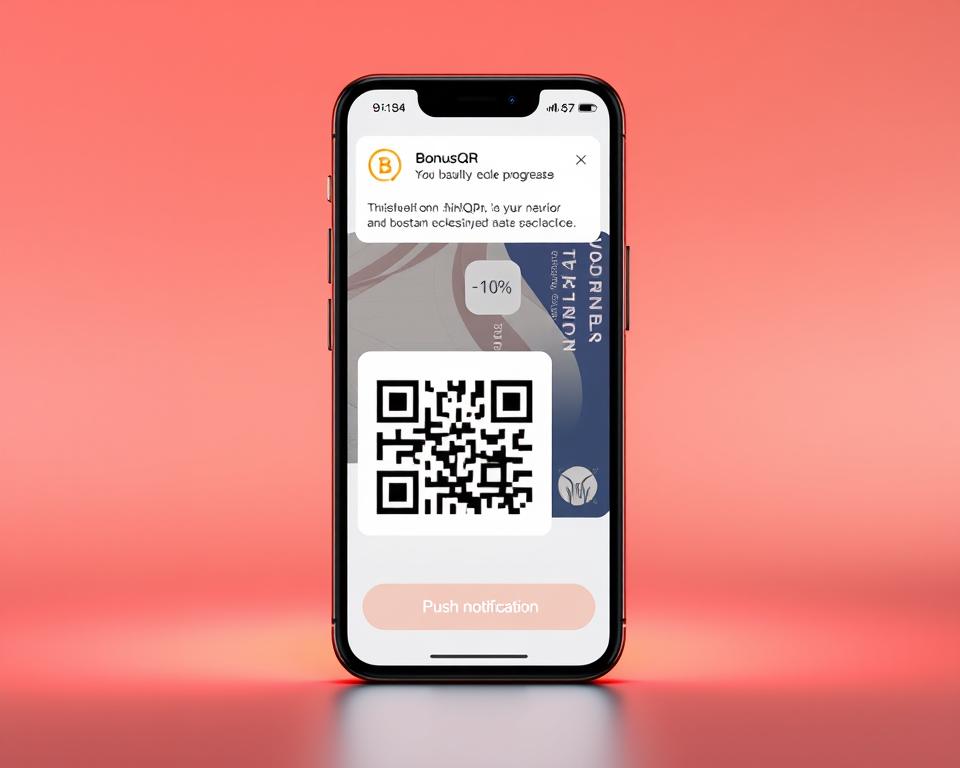
Push notifications, geolocation, and real-time personalization
Send the right message at the right moment. Use push and location triggers to nudge shoppers near a store, after a purchase, or when a perk is about to expire.
Give customers control over frequency and categories. That respects preferences and lowers churn.
Mobile wallet compatibility: Apple Wallet and Google Wallet
Wallet-native passes let customers get instant access to their card without opening a full app. Dynamic fields update balances, tier status, and offers in real time.
Gamification, tiers, and earn points mechanics
Layer tiers, challenges, and badges so people enjoy earning points and moving up. Build clear earn/burn rules and surface rewards so value is obvious.
Data, analytics, and integrations with POS, CRM, and email
Pipe behavior into POS, CRM, and email to power welcome, win-back, and VIP journeys. Track redemptions and context to improve targeting and cut waste.
- Test timing and creative—small changes unlock big engagement gains.
- Use dynamic pass updates for live balances and offers.
- Keep integrations tight so marketing stays consistent across channels.
Product roundup: best loyalty program apps for small businesses
Picking the right rewards app can cut setup time and lift repeat visits fast. Below are five practical options, with core features and pricing notes so you can match tools to your store and budget.
PassKit — wallet-native passes and APIs
Why choose it: Digital cards, coupons, e-gift cards, and tickets that work with Apple and Google Wallets. APIs and SDKs let you integrate without a full app build.
Price note: Plans start at $39.50 per month for 250 passes and include analytics, geolocation, and push triggers.
WaveToGet — QR rewards on a budget
Simple points and QR-based rewards for stores that want low friction. Offers client balance monitoring, coin-to-gift conversion, 24/7 support, and a free plan on Android/iOS.
Glue Loyalty — AI-driven incentives for local stores
Automated incentives and POS integrations for Clover, Square, WooCommerce, and Shopify. Plans range $109–$199 per month plus a $199 setup fee.
Smile.io — points, tiers, and referrals for ecommerce
Built for online shops. Run points, VIP tiers, referrals, and handle partial refunds. Starts at $49 per month for up to 500 monthly orders and links to common marketing tools.
LoyaltyLion — analytics and flexible rewards
Customizable tiers, referrals, on-site notifications, and real-time analytics. Free tier available; paid plans from $199 per month based on store revenue. Great if you want deep reporting.
- Compare pricing models: per month fees, order-based plans, and one-time setup costs vary—pick what fits your growth path.
- Prioritize features: wallet access, API integrations, geolocation, or referral engines—only pay for what you’ll use.
- Check integrations: Shopify, POS, email, and analytics so campaigns run without manual work.
Brand inspiration: how top apps win customer loyalty
See how industry leaders convert everyday purchases into meaningful experiences and steady growth.
Starbucks Rewards
Simple mechanics. Fast wins. Free sign-up drink, birthday treats, and free refills make value obvious. Stars stack by tier (25/100/200/300/400) and order-ahead keeps checkout quick.
Data point: 28.7M active members in 2022 and 53% of in-store spend tied to the program.
The North Face XPLR Pass
This program blends rewards and access. Members earn 1 point per dollar; 100 points becomes a $10 voucher.
Early drops, field tests, events, and National Parks check-ins create community and memorable experiences.
Lululemon membership
Perks beat discounts here. Early access, free hemming, and receipt-free returns emphasize service over coupons.
9M sign-ups in five months shows how experience-led programs scale fast.
Foot Locker FLX Rewards
Points-to-cash and Xtra Boosts let fans pick value or better odds on hype drops. The heat monitor signals demand before orders surge.
Pilot results: higher AOV, more units per transaction, and rising trip frequency.
SKIMS Rewards
App-only access, tiered MARBLE and ONYX status, and priority restock alerts drive urgency and repeat shopping.
Large restock lists and strong app store reviews act as social proof for customers.
“Borrow what fits your brand: a clear points ladder, early access to limited runs, or experiences that create memories beyond transactions.”
- Keep rules transparent. Customers should know how to earn and redeem instantly.
- Measure what matters: active members, redemption rate, and program penetration into purchases.
How to choose the right program for your store or brand
Pick a rewards path that matches how your customers actually shop and what your margins can support.
Aligning rewards with your product margins and customer behavior
Start with profit in mind. Use experiential access for thin-margin items and points for high-margin lines. That keeps promotions sustainable while you reward customers.
Map how people buy. Do they visit often or make big, rare purchases? That guides whether you offer frequent small perks or higher-value tiered benefits that drive repeat visits.
Evaluating integrations: Shopify, WooCommerce, POS, and CRM
Confirm the program talks to your stack. PassKit supports APIs/SDKs and tools like Zapier, plus Salesforce and WooCommerce. Glue links to Clover, Square, Shopify, and WooCommerce. Smile.io syncs with Mailchimp, Klaviyo, and Gorgias. LoyaltyLion works with Shopify and Shopify POS for in-store earning.
- Verify bi-directional data: no manual imports, no broken identities.
- Map earn rules: define how customers earn points across channels.
- Segmenting: ensure email and onsite marketing can target tiers and lifecycle stages.
- Admin & export: test the backend and confirm easy data export for future use.
Implementation playbook: launch, engage, and scale
A focused rollout beats a big-bang launch—test fast, learn faster. Start with a small pilot in a few stores or customer segments so you can measure engagement and purchases before scaling.
Designing passes, setting rules, and onboarding customers
Design your pass/card for clarity: show point balance, tier, next reward, and clear T&Cs. Use PassKit’s drag-and-drop Pass Designer for quick iterations and wallet-native real-time updates.
Define earn-and-burn rules your team can explain in one sentence. Train staff with a short script and a PassReader scanning app so redemption is fast at the point of sale.
Lifecycle messaging: email, push, and in‑store prompts
Signal the right moment. Use email and push notifications for welcome, first earn, first redemption, and tier upgrades. Add geofenced reminders near a store and time-limited offers to create urgency without deep discounts.
- Onboard in-store with QR codes at checkout and on receipts; online with pop-ups and post‑purchase email.
- Schedule weekly reviews to tweak rules, refresh creative, and rotate featured rewards.
- Document FAQs and edge cases (returns, refunds, lost devices) so customer service moves quickly.
Measuring success: metrics, insights, and optimization
Good measurement begins with a few clear numbers, not a flood of charts. Pick a small set of north‑star KPIs and report them weekly. That keeps teams focused and decisions fast.
Penetration, repeat purchase rate, and units per trip
Track penetration: what share of revenue and orders come from members. Aim to grow that percent each quarter.
Monitor repeat purchase rate and trips per customer. These signal habit formation and program health.
Follow average order value and units per transaction to see if points and tiers change basket mix.
Attribution: link the program to revenue and visit frequency
Use holdout tests and member vs non‑member comparisons. Attribute uplift by measuring the difference in orders and revenue. Starbucks shows how powerful this can—53% of in‑store spend tied to its members.
Foot Locker tied over a quarter of sales to its program in Q3 2024 and saw higher AOV and trip frequency after its revamp. Use cohort analysis to find where you get the best ROI.
- Key checks: redemption rate, time‑to‑first redemption, and engagement rates.
- Build a simple dashboard with 3–5 KPIs so execs act on insights quickly.
Your next step toward a high‑performing loyalty program
Take a pragmatic 90-day path that gets your rewards program live and proving value fast.
Start with clear goals: more visits, higher AOV, or increased purchases. Map week 1 for design and rules, weeks 2–3 for a pilot, and weeks 4–12 to optimize rewards, access perks, and messaging.
Test wallet-first options like PassKit (45-day trial; $39.50 per month for 250 passes) to get instant access without a full app build. WaveToGet has a free plan; Smile.io starts at $49/month; Glue begins at $109/month plus a $199 setup fee. LoyaltyLion offers a free tier and paid plans from $199/month.
Pick a shortlist, schedule demos, and set a launch date per month. Track purchases, penetration, AOV, and redemptions so you act on signals, not guesses.
FAQ
What business gains can you expect from digital loyalty solutions?
You can expect higher customer retention, a measurable revenue lift, and increased average order value (AOV). Modern programs encourage repeat visits, boost order frequency, and let you target offers that raise lifetime value. For many U.S. brands this translates to clearer ROI within months when you combine points, rewards, and personalized messaging.
Why is investing in digital programs important now in the United States?
Consumer habits have shifted to mobile-first shopping and real-time engagement. Gen Z and younger shoppers expect fast, app-driven experiences and seamless rewards. Brands that meet these expectations capture more repeat business and stronger word-of-mouth, helping you grow market share.
How do modern apps replace plastic cards for customers?
Mobile wallet passes, in-app accounts, and QR-enabled checkouts remove the need for physical cards. That means easier access, fewer lost rewards, and smoother in-store or online redemptions. You also get better data and a faster path to personalize offers.
Should I focus on transactional rewards or experiential perks?
Both have value. Transactional rewards (points, discounts) drive frequency. Experiential perks (exclusive access, events) build emotional connection and higher spend. The best programs mix mechanics: earn points for purchases plus tiered perks that reward loyalty with unique experiences.
Are apps safe for my customers and my brand?
Yes — when built and deployed with security best practices. Use encryption for data at rest and in transit, implement two-factor authentication (2FA) for accounts, and host sensitive data on reputable cloud platforms. Clear privacy policies and minimal data collection build trust.
What security checks should I do before publishing on the App Store or Google Play?
Verify app permissions, ensure secure API keys, confirm privacy disclosures, and run vulnerability scans. Review each store’s guidelines for data handling and payment flows. Also test sign-in flows, password resets, and token expiration to prevent account misuse.
Which features boost customer engagement the most?
Prioritize push notifications, geolocation-triggered offers, and real‑time personalization. Add mobile wallet compatibility for quick checkouts, gamification and tiers to motivate repeat visits, and clear earn points mechanics that make rewards feel achievable.
Do mobile wallets like Apple Wallet and Google Wallet matter?
Yes. Wallet passes keep rewards top-of-mind, enable tap-to-redeem and show balance updates on the lock screen. That convenience increases redemption rates and drives visits, especially for customers who prefer contactless interactions.
How should data and analytics integrate with my systems?
Connect the app to your POS, CRM, and email platform to sync purchase history, segment members, and automate lifecycle campaigns. Good integrations let you track penetration, repeat purchase rate, and attribution from program activity to revenue.
Which apps suit small businesses on a budget?
Look at offerings focused on simplicity and wallet-native passes. Options include wallet-first tools with QR-based rewards, platforms that support basic points and referral mechanics, and services with easy POS integrations. Choose one that fits your tech stack and budget while enabling growth.
How do top brands use programs to keep customers engaged?
Leading brands mix simple earning rules with exclusive perks. They use order-ahead, member-only drops, tiered status, and gamified experiences. The result: stronger habits, higher spend per visit, and more app opens per month from active members.
How do I pick the right program for my store or brand?
Start by aligning rewards with your product margins and typical purchase frequency. Evaluate integrations with Shopify, WooCommerce, or your POS and CRM. Test a simple pilot, measure key metrics, then iterate toward a mix of points, tiers, and experiences that drive profit.
What are the key steps to implement and scale a program?
Design wallet passes or cards, set earning and redemption rules, and onboard customers with clear prompts at checkout. Use lifecycle messaging—email, push, and in-store signage—to welcome members and nudge activity. Scale by analyzing data and refining offers based on behavior.
Which metrics show a program is working?
Track penetration rate, repeat purchase rate, units per transaction, and trip frequency. Also measure attribution from the program to revenue and monitor member engagement with push, email open rates, and active app users per month to spot growth opportunities.
How quickly can I see results after launching?
You can see initial lifts in engagement and redemptions within weeks if you promote enrollment and use timely offers. Meaningful revenue and retention improvements usually appear within three to six months when you optimize messaging and tune rewards.